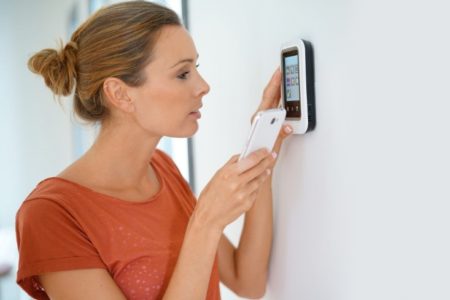
Smart devices are heralding a Jetsons-like future for homeowners in the 21st century. In that Utopian or dystopian future depicted in this cartoon world, there were robot maids and dogs, flying cars, and a plethora of other technologies in what a Smithsonian contributor described as a “golden age” of futurism. So here in 2019 when the technologies of the Jetsons appear to becoming real it is no wonder that media and consumers are captivated.
But not all. In fact, 63% according to a recent poll find smart tools “creepy,” and about 55% don’t trust the technology to keep them safe. If the majority of consumers are put off by these smart devices and the idea of smart homes then who is buying?
Baby boomers are the current reigning older generation, those between 55 and 75 years of age, while Gen-Xers are the boomers’ earlier kids, currently middle-aged, between 40 and 54. Though members of these two generations form the foundation of the technological revolution that has occurred in their lifetimes, the majority of them aren’t especially tech-savvy and are usually slower to adopt emerging technologies, and reluctant to learn new skills to master them. As a result, smart technology isn’t making its way into the majority of the homes owned by this demographic. And that’s despite that smart home devices have much to offer these two generations.
The truth is, once you get past setup of a smart home, there is a lower barrier of skill required to use the technology. That’s because smart home tech uses interfaces that are easier to operate than having to figure out complicated menus and strings of text. Many need only voice commands or can be operated through user-friendly smartphone apps that Boomers and Gen-Xers appear to have adopted with far greater ease.
It is of particular importance when talking about those in the Boomer generation who can really use the automation technology available today. That’s because many may have less strength, flexibility, or the fine motor skills needed to continue to do basic domestic chores. Smart tech can be extremely useful in dealing with household tasks. Think robo vacuum cleaners, and personal digital assistants (PDAs) like Google Home, and Alexa, which through voice commands can open and close smart blinds, turn smart lights on and off, adjust a smart thermostat, and facilitate the operation of home entertainment systems.
Millennials comprise currently the largest demographic. In the United States they are 75 million strong. While the media constantly villainizes millennials for being immature and seemingly careless in their behaviors, the truth is that millennials aren’t kids anymore with the bulk of the generation in their late 20s and early to mid-30s. Millennials have been immersed in digital technology since birth. For them the technology is second nature making the adoption of smart home devices a natural you would think. Except, there are a couple of problems preventing this from happening.
Like millennials, the Gen-Z generation has grown up online. But because they have arrived later than millennials they have a better mastery of the technology than any who have preceded them. Not only do they have the skills to use smart home devices, they also have the capability to integrate them seamlessly into their lives thanks to the wealth of their parents who have given them the buying power to afford what’s out there.
But Gen-Zers are still relatively young, most still children and adolescents. They are not on their own and ready to outfit apartments and homes with smart devices, which means the makers of smart home technology may be ahead of the buying curve before we see sales boom.
Having said that there is still a multigenerational burgeoning market for smart home technology. It is estimated that by 2020, $40 billion USD will be spent on these technologies. But that is just a small potential of what will be the smart home device market in the next decade as a younger, more tech-savvy generation comes into adulthood and gains buying power. By then no one will find smart home technology “creepy” anymore.