If the role of adaptation policy is to reduce vulnerability to climate change through the present modification of the behaviour of affected actors so that they integrate and anticipate future impacts of climate change, then it is far from an easy task. It requires more than technology or financial resources. It demands that we switch from a world where short term economic gains are the strongest driver of individual and collective choices, to a world were future risks — natural or economic — weigh significantly on contemporary decisions.
I think in this one paragraph Dupuis states the real challenge for leadership in both government and business when presented with the facts of human influenced climate change. How do you turn off the carbon tap in a world addicted to fossil fuels? How do you change corporate behavior so that quarterly and annual profits are no longer the drivers used to measure success? How do democracies that work in election cycles move away from short-term thinking? And how do countries collectively pull together to make global choices more important than national ones?
All nations, all humanity, all life on the planet is vulnerable to the changes that are happening in the global climate. So how can we collectively adapt to a world that undoubtedly will be different from the one we live in now?
Here are some considerations that I offer to those who wield authority, effect policy, and influence audiences even broader than the one I reach through this blog, my LinkedIn groups, Google+ and Facebook.
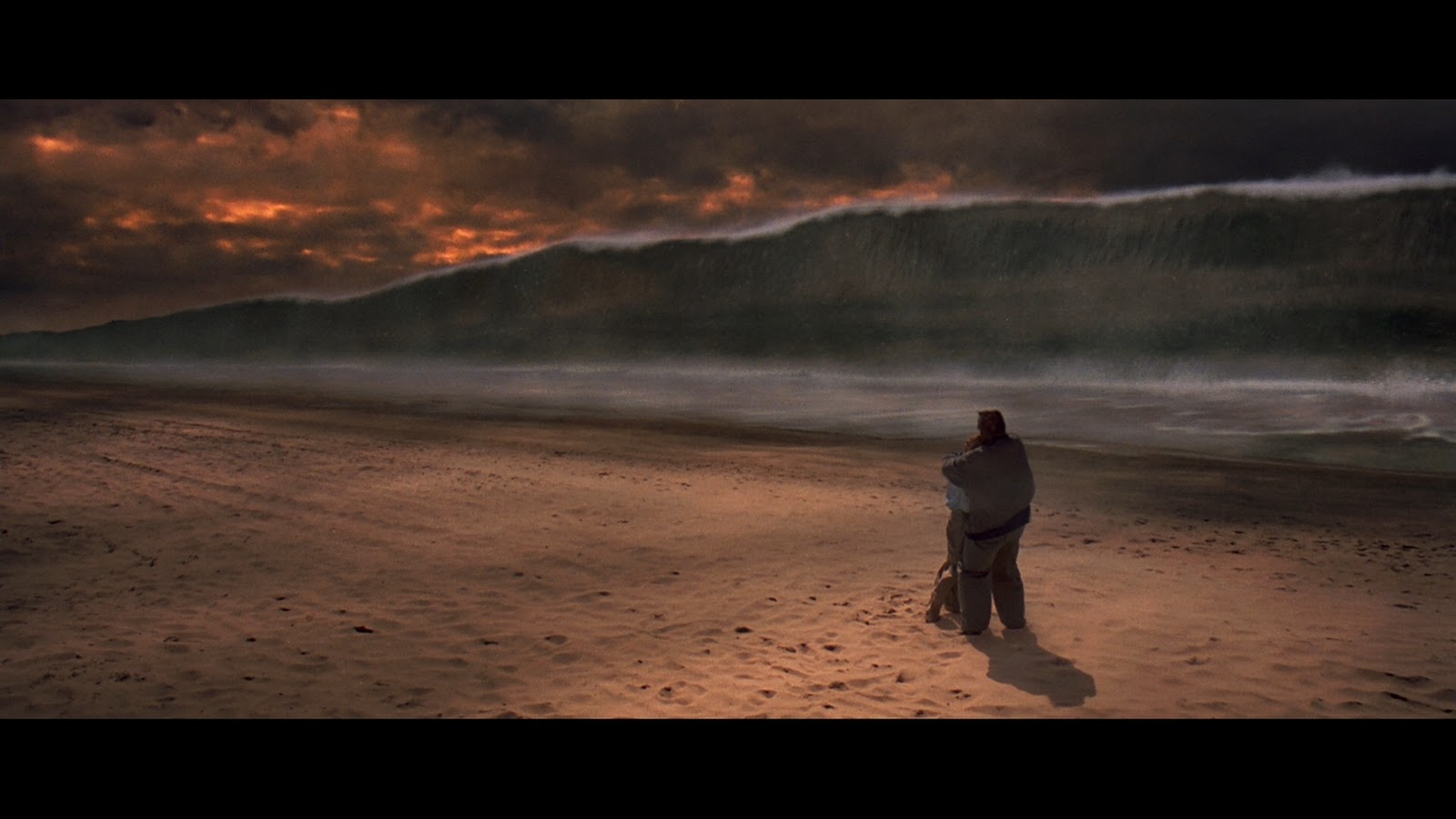
Some reading this will call me an idealist, that what I propose cannot be done, that we cannot alter human nature, that we are like the people standing on the beach in the movie Deep Impact, watching as a tsunami approaches, transfixed and immovable until overwhelmed. To them I say it’s time we all start making decisions in our daily lives that consciously begin to move us back from the beach to higher ground and that we spread the word to others to encourage them to do the same.