According to the U.S. Center for Disease Control (CDC) getting vaccinated for influenza could save your life. And because the virus evolves so rapidly, annual vaccinations are needed which cover the latest strains. The CDC keeps flu-related statistics and they are quite troubling. Millions get flu every year. Hundreds of thousands are hospitalized. Tens of thousands die.
What the vaccination does is help your body to develop antibodies within two weeks after the shot. Typically the latest strains of influenza follow a north-south pattern. When Australia is in its flu season, North America and Europe are not. Strains that develop in Australia often become the basis for the formulation of the vaccine administered 6 months later in the Northern Hemisphere.
The composition of this year’s flu shot, therefore, is different from the one administered for the last flu season. The CDC notes the following strains are covered for this season:
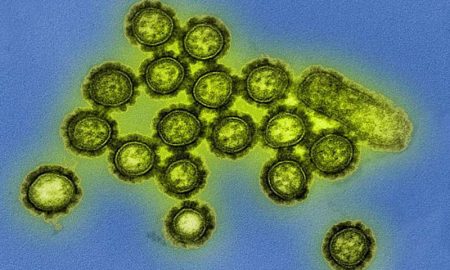
A small percentage of people react to the flu vaccine and these experiences exacerbated by anti-vaxxer groups leads to the majority of the population in North America opting out of getting the annual shot. There is a commonly circulated myth that the flu shot can give you the flu. This is poppycock. But nonetheless, you read these stories on the Internet in the run-up to flu season every year.
The most common negative reactions vary from temporary swelling and redness around the injection site to arm soreness. Between 1 and 2% of people report running a low-grade fever and feeling achy. An allergic reaction to the vaccine does happen (the vaccines are incubated in eggs or in combination with yeast proteins) but such incidences are rare.
On average each season the vaccine proves to be quite effective particularly when the formulation of the vaccine matches what strains are circulating around the globe. The CDC reports that 60% of those receiving the vaccine are less likely to catch the flu than those who are not vaccinated.
Your age can also contribute to the effectiveness of the flu vaccine. It works best with older children and healthy adults. The elderly remain more susceptible to the flu than the general population even with the vaccine. That’s why in some countries the elderly receive high-dose vaccines, four times the strength of the standard vaccine. This has proven to be effective in eliminating the potential for the disease or in reducing severity of symptoms should they become infected.
Can Scientists Develop a Vaccine that is Better Than 60% Effective?
At Johns Hopkins University, a team of researchers is working with attenuated viruses (viruses weakened but still alive) to see if they can stimulate the body’s immune response. In an October 25th published article appearing in the journal Vaccine, they report the ability to alter the virus’ ability to mutate which is the biggest reason for the need to reformulate the vaccine every season. Keeping the flu virus from evolving makes it far easier to develop a defense against it. And since there are a number of strains of influenza found globally, what the team at John Hopkins have discovered could lead to inhibiting mutation in all strains.
This means that vaccines can be personalized to specific groups and targeted to protect the population from prevalent influenza found there. That’s not quite getting a personalized vaccine for each of us, but it is a first step on the road to getting there.
In the interim, though, I highly encourage all of you without egg or yeast protein allergies to get inoculated against the seasonal flu. The CDC is quite insistent regarding flu stating, “everyone 6 months of age and older should get a flu vaccine every season,” a recommendation that has been in place since 2010.
What is “precision medicine?”
Is it something new? Not really. When I give my blood which is A+, it is matched to recipients with the same blood type. That is precision medicine. But what’s different now is that precision medicine is associated with an individual’s genomic map, as well as the study of that person’s environment and lifestyle choices. We know today that many diseases have genetic roots. Others can be impacted by environmental changes which can trigger a gene in your DNA map to switch on or off. This is referred to as epigenetics, the alteration of our genetics by environment and lifestyle.
The combination of the genome and studying the person’s epigenetics’ profile should give medical researchers and doctors a better understanding of causes, prevention, and treatment of diseases. And the use of the word “precision” refers to targeting the individual rather than a one-size fits all approach that remains common in medicine to this day.
So How Will the Fitbit Fit?
For my wife’s birthday this summer she was given a Fitbit. She wanted a device to inspire her to be more active and the impact was immediate. In fact, it drove me crazy as she counted her daily steps and would even walk in place in our apartment if she was missing her daily targets. It got to a point where she was almost obsessive about tracking her daily progress on her smartphone and glancing at her wrist every hour on the hour. I even put a step counter on my smartphone and began tracking my daily numbers until the app clearly started making distance and count errors. I have since removed it but have not stopped my daily walks.
The “All of Us” project plans initially to give out 10,000 Fitbit trackers to collect heart rate, physical activity, and sleep behaviour. This information in the project today is collected by those in the project making office visits and responding to questionnaires. With the Fitbit, however, the wearable device will provide precise lifestyle and environmental data. The Fitbit models chosen include the Charge 2 and Alta HR and will be made available for one year. When asked about Fitbit’s participation, Adam Pellegrini, General Manager of Fitbit Health Solutions, stated, “As part of the global shift towards precision medicine, wearable data has the potential to inform highly personalized healthcare”...and…“Through this historic initiative, we will be able to see the role that Fitbit data can play on the path to better understanding how individualization can help to prevent and treat disease.”
Currently, Fitbits are being used in biomedical research including clinical trials and funded research, with 482 publications taking advantage of the wearable data the devices collect to study diabetes, cardiovascular health, oncology, mental health and post-surgical recovery.


