
Although still a pretty crude looking device, the Solar Pocket Factory, seen in the picture below, may spark a revolution in off grid solar power manufacturing bringing solar derived electricity to over 1.5 billion on the planet.

On the Solar Pocket Factory website you can find all kinds of products for sale from 6 Volt to 15 Volt panels, solar phone charger kits, and even a solar-powered paper house.
Last year the inventors raised $78,000 on the crowdfunding site, Kickstarter. With this money they began an experiment on the Philippine island of Alibijaban. Alibijaban appears to have been spared from the worst winds of this week’s devastating typhoon, Haiyan, with the eye of the storm tracking to the south of this small island located off Luzon, the Philippines main island.
The island has been completely dependent on a weekly supply of car batteries sent from the main island to power its lights, televisions, phones and fans. But with the help of the Solar Pocket Factory, small solar panels have been manufactured and introduced into several hundred homes providing off grid power that is costing the islanders about one cent U.S. per day. Compare that to the $1.50 to $2.00 it has been costing per week for batteries.
The inventors eventually hope to sell the Solar Pocket Factory to local Developing World manufacturers but the current price they estimate at approximately $50,000 U.S. I suspect this will come down as the inventors move past the prototype to a commercial product. Or they may choose to open source the technology and provide the materials for local assembly. We’ll see what ensues. In any case this is the type of disruptive, innovative technological progress that makes our 21st century so exciting.
]]>
In a period of less than two months that’s 6 recorded incidents large enough to make headlines. Now think of all the small marinas and ports where, as you walk by you notice a sheen on the water surface, and you begin to understand just how serious the problem of oil pollution is. How much more can our oceans, lakes and rivers absorb from destructive human behavior? Who can you admonish when the self-destructive behavior is endemic to our entire species? Just something to consider here in the second decade of the 21st century.

Humans have been improving what we grow since the beginning of the Neolithic Revolution more than 12,000 years ago. Early farmers tilled wild plants and then began selecting out the best of these by only planting their seeds in subsequent years. They learned through trial and error what provided the best yields, what plants grew best in wet and dry conditions, on clay or sandy soils, in mountains or valleys. Over time inventive farmers learned through observation to cross pollinate plants within the same species to improve crop yields. In times of drought, severe weather, insect infestations and other natural plagues these farmers struggled. But eventually they learned to recognize all the signs that nature provided. They learned beneficial insects from the bad, raising bees and releasing ladybugs to help make their crops flourish.
When Mendel in the 19th century made his observations about pea pods he revealed the mystery of selective breeding, establishing the beginnings of what would become genetic science. But it was Watson and Crick who uncovered DNA and launched us on the road to studying the genes of all living things.
Today we understand the impact of a single gene or groups of them within plants and animals. And we have developed technology that allows us to insert good genes to replace ones that defective. We can do this intra-species and also inter-species. This is the science behind GMO.
For many GMO just doesn’t seem natural. They see in these plants and animals a new Frankenstein. Do they see this when we use gene therapy to cure people of serious illnesses? Probably not, although maybe some do.
Many governments in the Developing World, and some in the Developed have legislated against any type of GMO. These governments point to studies that fuel the FUD factor. The most recent, a rat study involving GMO foods out of France has fueled anti-GMO legislation and bans in many countries even though the study has proven to be deeply flawed and bad science.
The Benefits of GMO Revealed
But not all countries are listening to the FUD. Here are some examples:
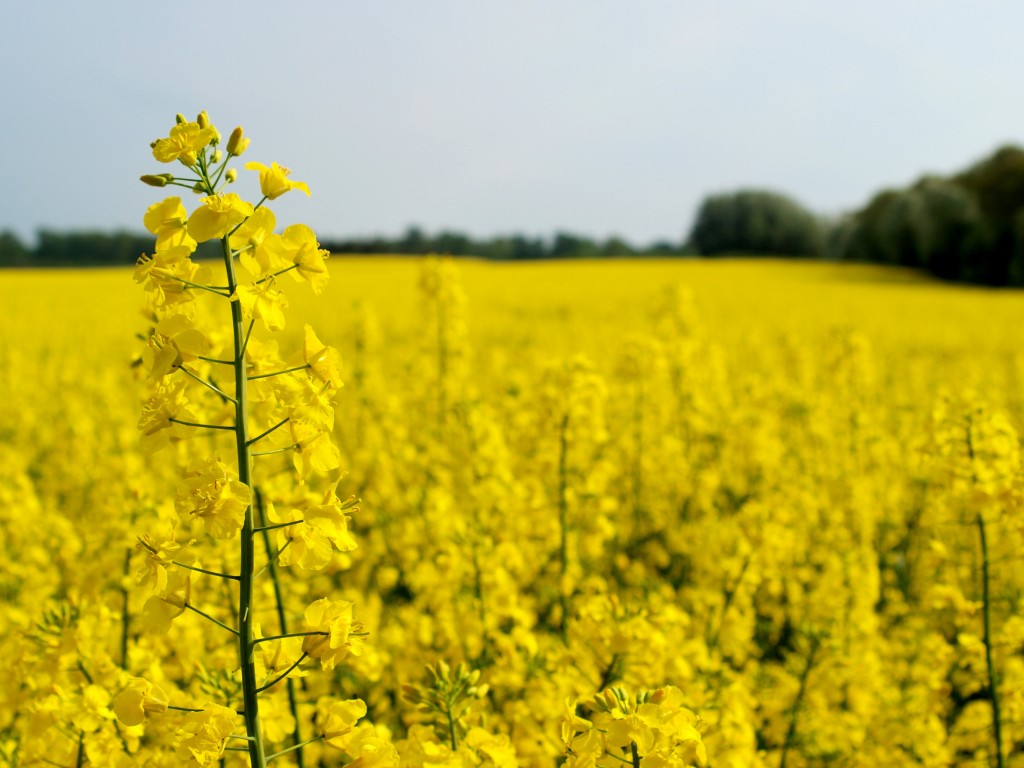
In Canada’s Prairies, GMO canola, introduced for the first time in 1995, has led to dramatic increases in crop plantings and per hectare yields. GMO canola has changed farming practices with zero or minimum tillage accounting for 65% of all production. This means less soil degradation and erosion, and less evapotranspiration. That means less application of irrigation and a decrease in the use of herbicides by 53%. The result, greater safety for farmers, workers, consumers and an overall improvement in the environment.
GMO cotton planted in India has reduced pesticide application by 50% leading to 2.4 million fewer cases of of pesticide poisoning each year in that country.
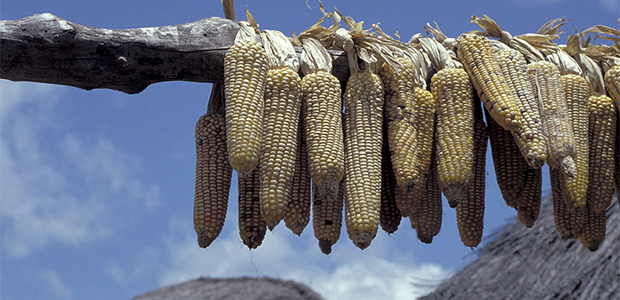
In South Africa, GMO corn (called maize in that country) planted on small plots has reduced labour intensive weeding dramatically from 276 hours to 152 over three years. Weeding in South Africa is women’s work traditionally and the reduction in labour requirement has resulted in women spending more time planting other crops or caring for their families.
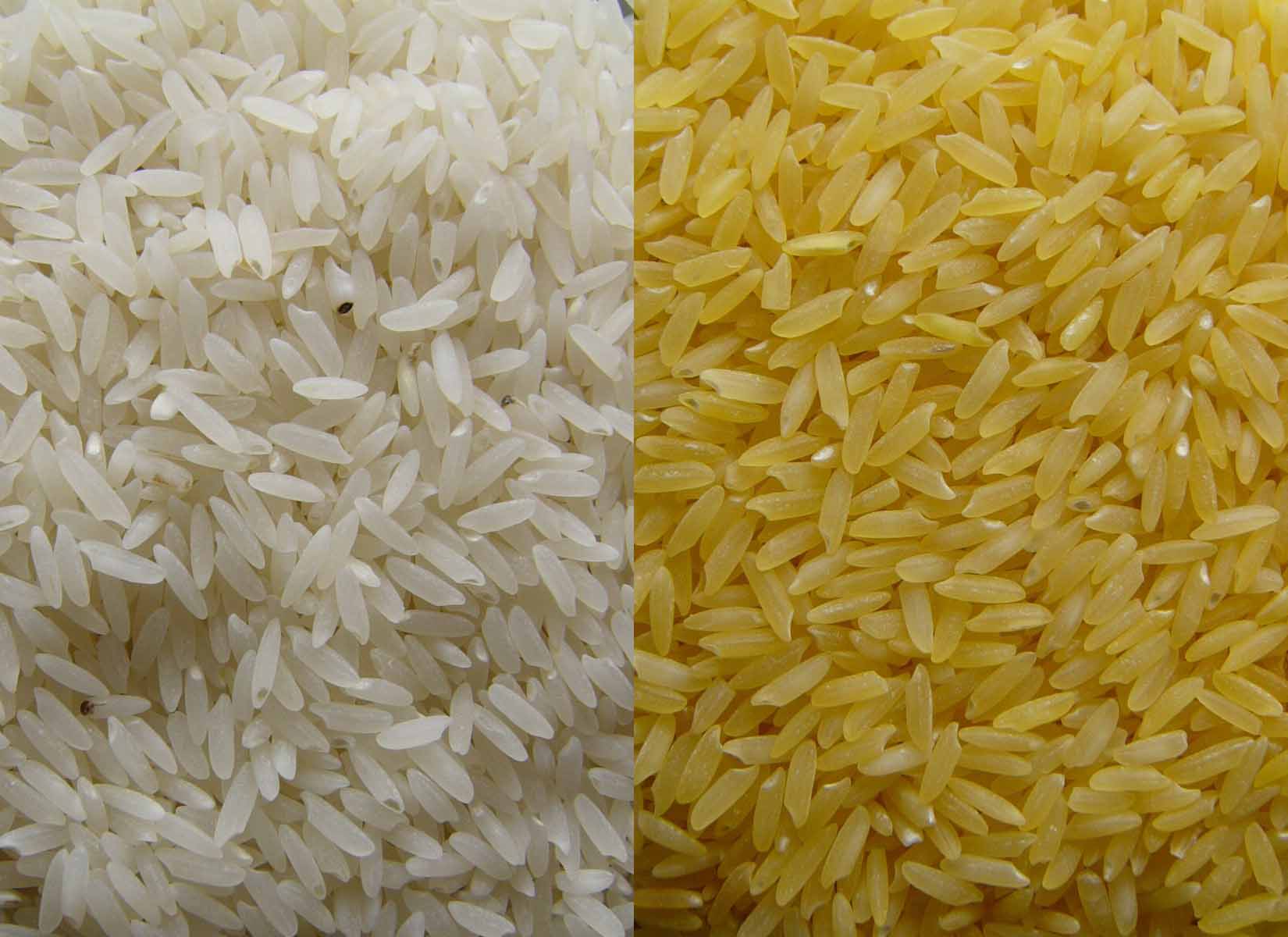
In the Philippines after a 12 year battle, golden rice has been approved. Golden rice is truly a GMO miracle and I have written about it before. Its development has contributed to reducing childhood blindness and premature death caused by a lack of vitamin A (beta carotene). The golden rice battle in the Philippines began with Greenpeace leading an anti-GMO campaign in 2000. Over 12 years the government bent to the Greenpeace-directed campaign. During that time it is estimated that 8 million children died prematurely from vitamin A deficiency. With just 50 grams (2 ounces) of golden rice per day added to those children’s diets they would have received 60% of the recommended daily dose of this important vitamin. But now the children of the Philippines will have golden rice and so will children in other Southeast Asian countries who have been watching the battle of the Philippines. Bangladesh and Indonesia are expected to approve golden rice shortly. This will save many more children from a preventable illness.
I understand the concerns around the licensing of GMO crops by companies like Monsanto and Dow. These companies have a reputation for pushing not just innovative crops but many other chemicals including herbicides and pesticides. And some of their GMO inventions are seen as exploitative requiring farmers to use their seeds and technology exclusively.
But the science of GMO has to be separated from the issue of corporate policies. GMO, more than any other agricultural technological innovation, is positioned to help us achieve food production levels that will ensure we can feed our humans and domestic animal populations on this planet for the foreseeable future.
]]>