In 2014, when a Liberal-National Coalition formed the government, it disbanded the Commission and defunded the Commonwealth Scientific and Industrial Research Organization (CSIRO), the sanctioned arm of the government responsible for research on climate.
The new coalition government was led by climate-change deniers. The reaction of the academic and scientific community in Australia was immediate. Within five days, the scientists and academics rallied to launch the Climate Council, an independent not-for-profit led by former members of the Climate Commission. The public response saw more than 16,000 Australians provide $11 million in a 10-day crowdfunding campaign.
For the government, which claimed there was no more need to know about climate change because it already knew everything, no credible forward-seeking climate policy left it blind to climate-change-related events that plagued Australia throughout the rest of the decade, culminating with the worst wildfires in 2019 and 2020.
The defunding of climate science was accompanied by a pro-fossil-fuel policy that saw increases in coal production for use internally as well as for export. Australia became one of the worst-performing advanced nations in reducing carbon emissions. This increased public health risks and negatively impacted the country’s natural environment, including damage to the Great Barrier Reef. The government covered its tracks by issuing selective climate data to hide its poor climate performance.
The independent Climate Council took over as the voice of climate science and solutions, producing annual climate reports which it distributed nationwide. It continues to do so even with the advent of a Labor government that replaced the Liberal-National Coalition in the past two elections. Labor has renewed the federal government’s climate change file.
The Climate Council is now the science watchdog and public advocate, scrutinizing policy and pushing the government to establish stronger emission reduction targets based on climate evidence. The Climate Council has become a prime advocate for renewable and distributed energy projects. It publishes regular reports such as “Seize the Decade,” pathways for the country to reduce climate pollution by 75% by 2030, far more ambitious than the present government target of 43%.
So, why am I telling readers about Australia’s Climate Council, particularly my American readers? The administration of Donald Trump is doing what the Liberal-National Coalition in Australia did after being elected.
Trump is cutting funding to the Environmental Protection Agency (EPA), the National Oceanic and Atmospheric Administration (NOAA), the National Institute of Health (NIH) and the Centers for Disease Control and Prevention (CDC).
He is repealing many of the programs instituted by the Inflation Reduction Act that provided subsidies and incentives to companies tackling carbon emissions. He is dismantling America’s climate change initiatives while withdrawing the country’s involvement in the United Nations Climate Change Project, known as COP.
The administration recently halted work on the National Climate Assessment, mandated by the Global Change Research Act of 1990. This is a document issued every four years that represents the government’s authoritative report on climate change impacts, risks and responses. It is a useful guide for local governments when developing climate-based policies and programs. Halting its creation involved stopping the work of 400 volunteer scientists.
All of these cuts have been done in the name of cost savings, but what’s really behind the defunding of environmental, health and climate science programs is climate change denial.
Is this how average Americans want to be perceived in the global fight to stop oceans and atmospheric changes that are already impacting so many Americans and other people around the globe’s lives?
What can they do? Take a leaf out of Australia’s Climate Council playbook. General outrage from Australians, academia and former members of the government’s Climate Commission mobilized. In five days, they used crowdfunding and other public appeals to launch. Since then, public donations provide 89% of the Climate Council’s budget, with philanthropies covering the balance. No money comes from the Australian government.
There is widespread concern being expressed by academics, scientists, health professionals, and the public in the United States regarding the Trump administration’s environment and climate policies. There have been rallies and livestream protests.
Can crowdfunding, for example, restore funding to key EPA projects or fund completion of the National Climate Assessment? The EPA’s annual budget in 2024 was over $9 billion. The cost to cover the technical support and staffing for the production of the National Climate Assessment is about $7 million. The total cost of the report probably amounts to no more than $10 million.
If Americans aren’t game to crowdfund $9 billion for the EPA, indeed a very large sum, maybe they can start with something more achievable, a campaign to ensure the climate assessment report gets published? With $7 to 10 million (Australians raised $11 million in 10 days), Americans would be making a statement to the current climate change deniers leading their nation.
]]>What are its conclusions?
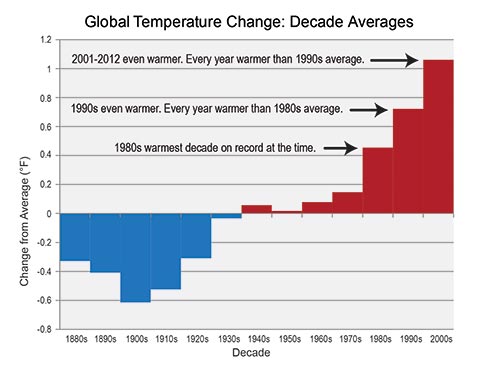
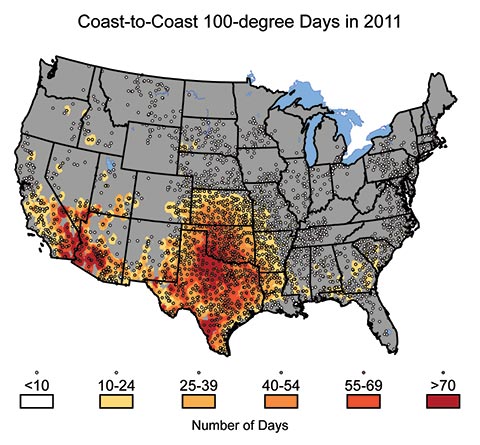
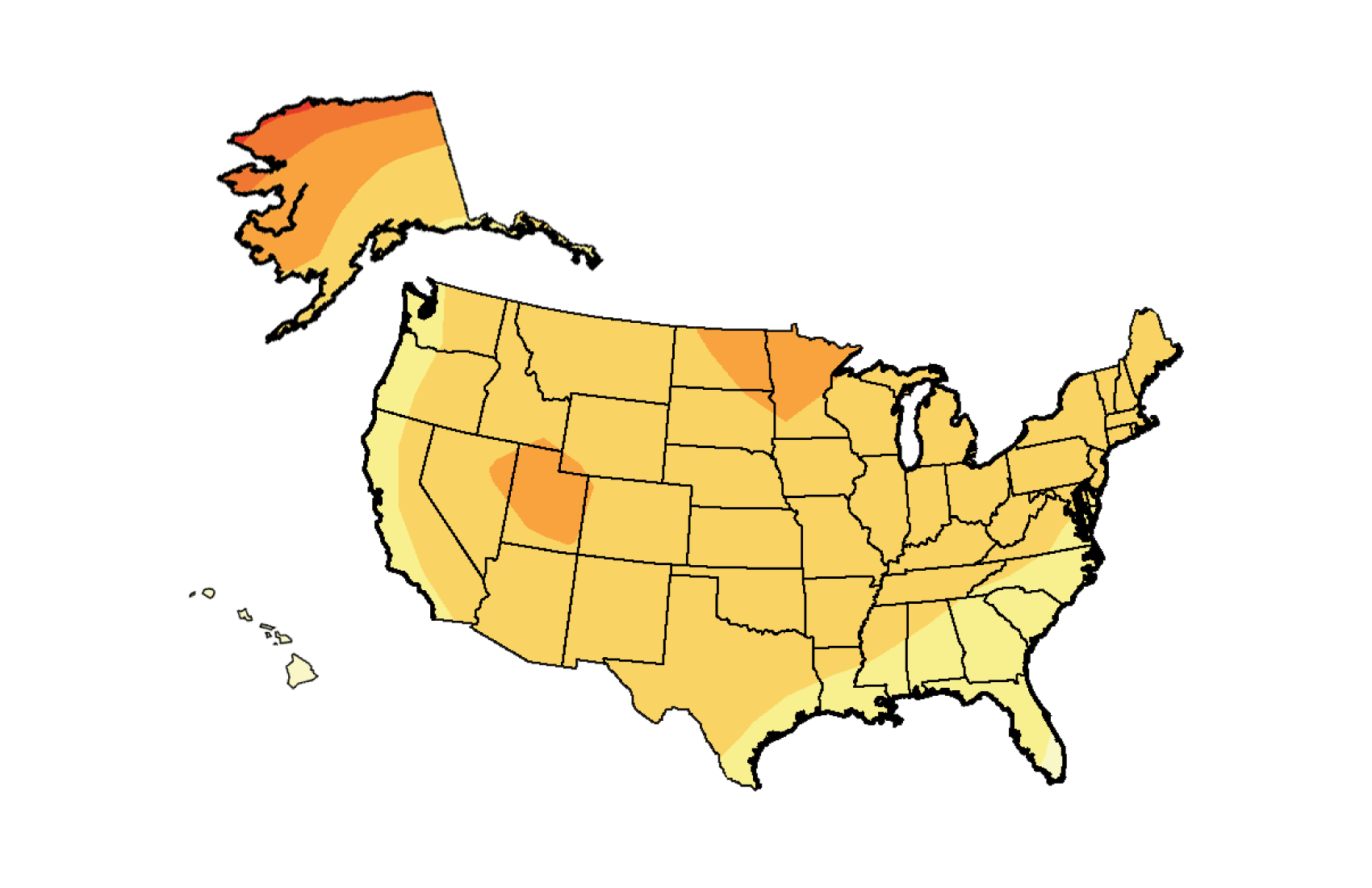
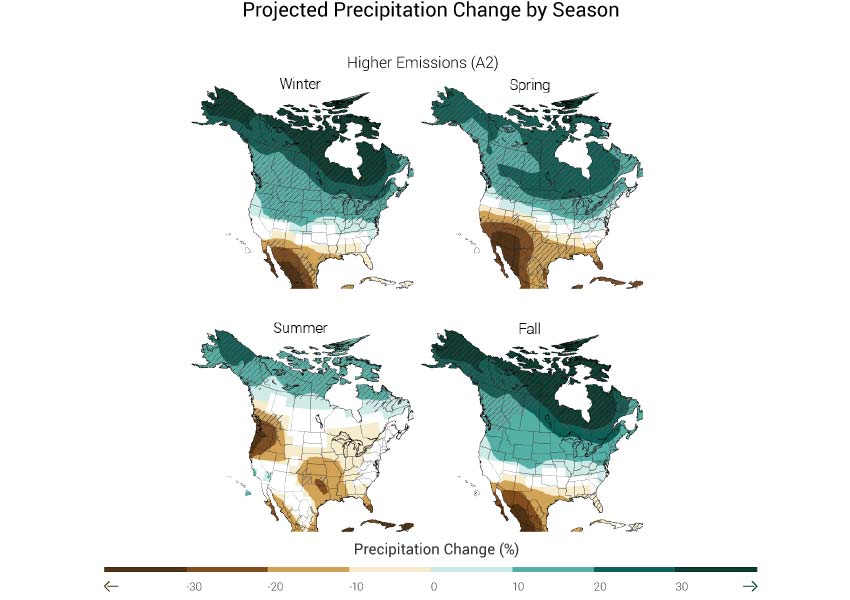
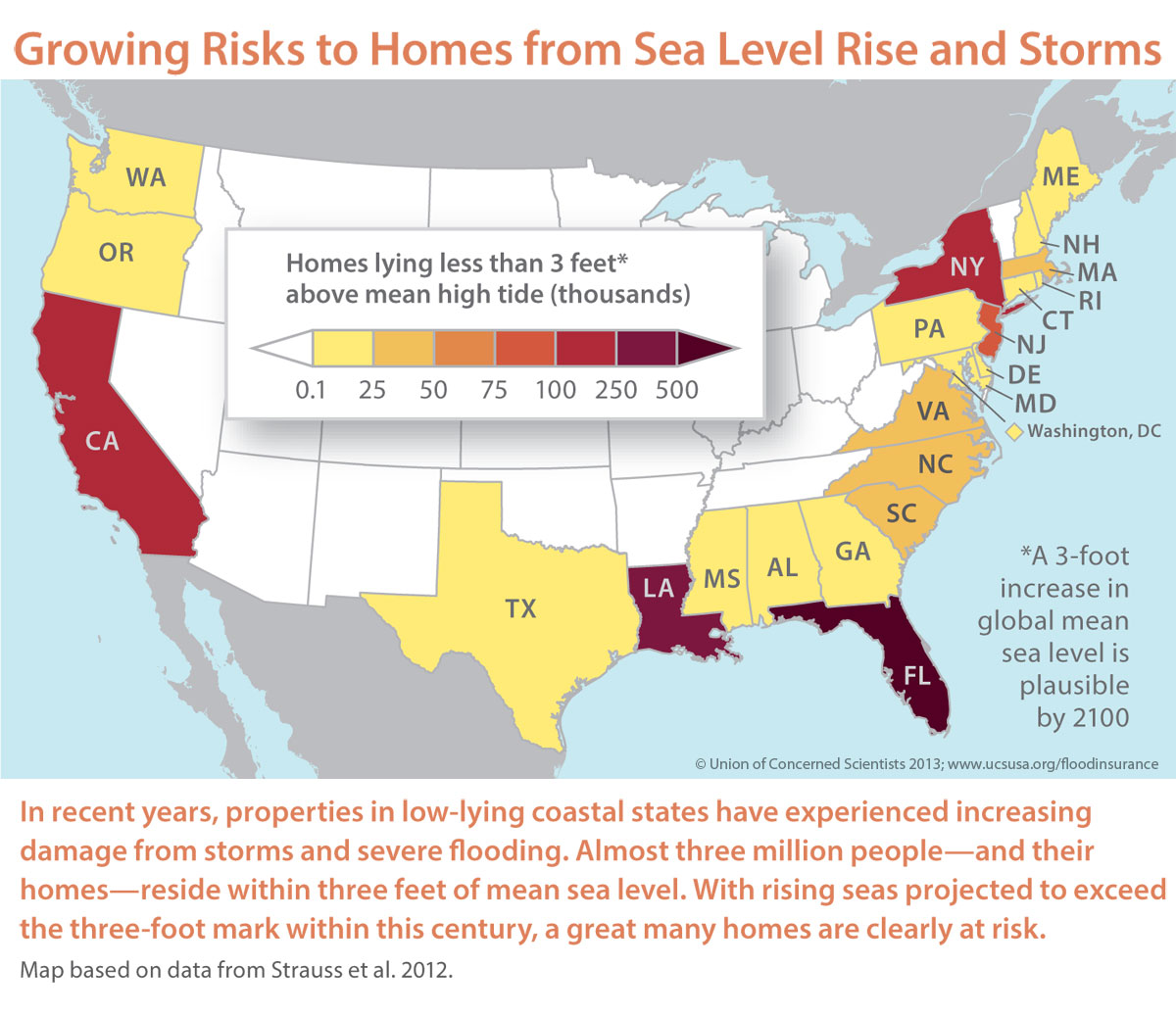
In the end it isn’t just about warmer temperatures, extreme weather events and rising sea levels. It is about how a country’s infrastructure is built to cope with these changes. Storms like Hurricane Katrina and Hurricane Sandy caused massive critical system failures both at the local and national level. We may never see another Katrina or Sandy but based on projections of extreme weather events that is highly unlikely. Our capacity to respond to such devastating storms has shown incapacity and the investment needed to harden infrastructure is just not happening to the extent required. That leaves the country more vulnerable. And there is a further threat that without a hardened infrastructure each extreme weather event will further weaken the country’s ability to respond.
The threat to the agricultural heartland is just as real as storms like Katrina and Sandy. The decadal drought in Texas and California, the dropping water levels in the Colorado River Basin, the drying out of the Ogallala Aquifer, will sharply alter the ability of Mid-West farmers to produce yields of traditional food crops and livestock to meet national demand. Will the drying south and heartland be offset by the rise in precipitation and temperatures in places like the Dakotas, Minnesota and Montana? Will these areas become the new heartland for agriculture on the continent along with the Canadian Prairies to the north? Just look at the maps and place your bets.
And along with rising temperatures in areas of the country that have never experienced them will come the invasion of insect pests along with diseases previously unknown to regions of the country. Malaria, Dengue Fever, Lyme Disease, West Nile Virus, Tularemia, Rocky Mountain Spotted Fever, Chagas Disease, Chikungunya and Rift Valley Fever are just a few among many diseases that will become more threatening as temperatures rise. That’s because the carriers that transport these diseases will find an expanding range in which to thrive.
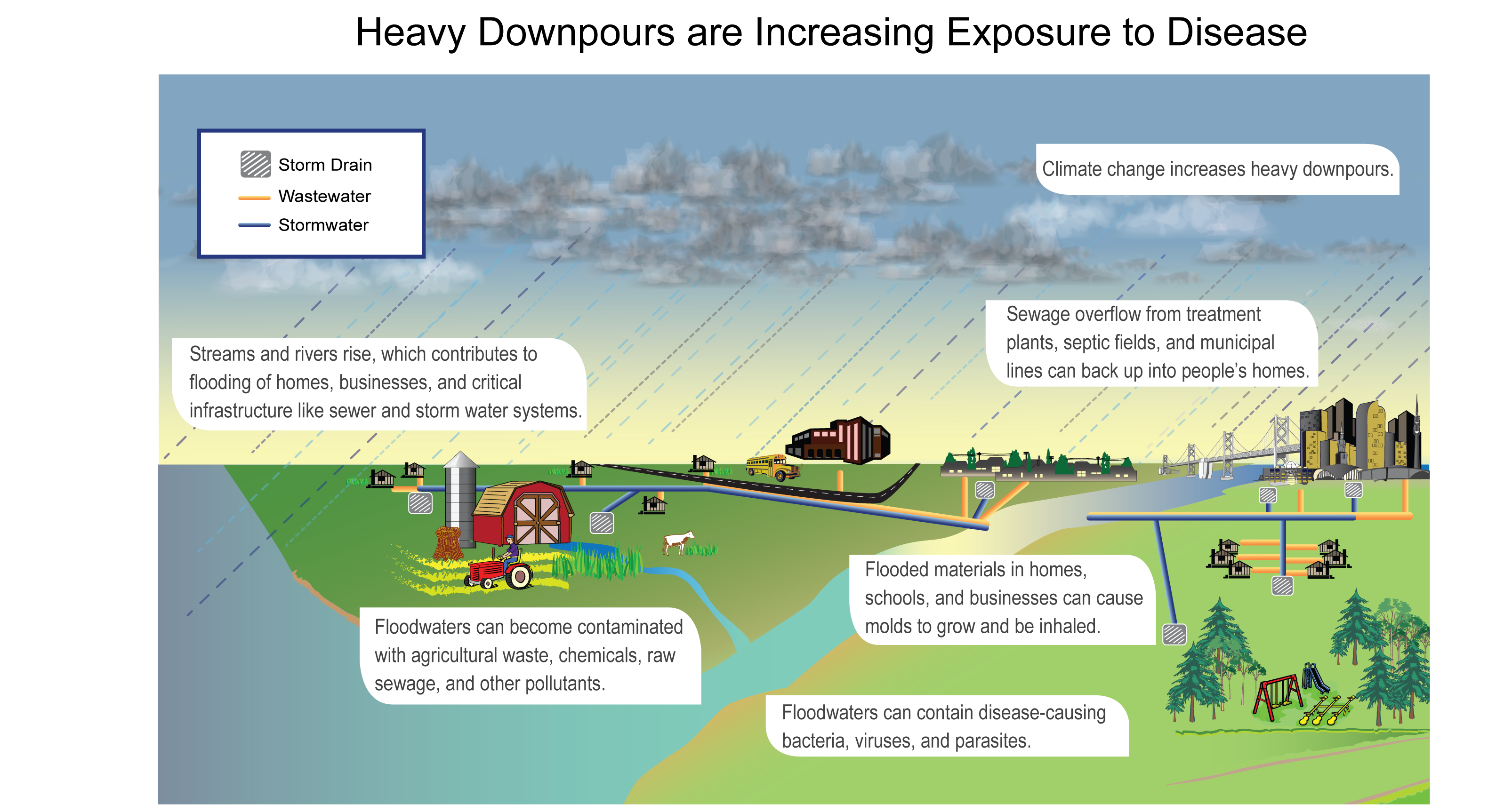
Increased CO2 in the atmosphere is contributing today to increases in allergies. Extreme rainfall is enhancing growing conditions for fungi and molds. We are at risk for higher incidents of asthma and other respiratory conditions. Sudden heavy rains overwhelm septic systems and municipal treatment plants putting us risk for waterborne pathogens and diarrheal illnesses. And those same stream swollen by rains will also contribute to agricultural land loss, soil erosion, spills of chemicals and other pollutants into lakes, rivers and oceans. In the illustration below we see a depiction of how heavy precipitation events increase people’s exposure to risk. The source is NOAA.
For the scientists who have written this report there is no “I told you so” in their descriptions and tone. They recognize that the country needs to adapt to the reality that we are living with climate change in the present and seeing its early impacts. We have two tasks ahead of us. The first is to mitigate the most extreme outcomes of our global dependency on fossil fuels by reducing our use of these greenhouse gas contributors. But that is not enough. The second is to develop adaptation strategies to ensure that we ride out the storm of global climate change in the best possible shape.
There is a price to be paid for all this change brought on by climate. There is a need for a shifting mindset on the part of citizens so that conservation, reduction, renewable and sustainable become the words that march us through the rest of the 21st century. This is what this climate assessment is telling us and if we don’t listen, we do this at our own peril.
The link to the entire report can be found in the opening sentence of this posting. Or you can watch this short video which provides a summary of what has been learned. Whichever you choose you owe it to yourselves to learn more about how climate change will impact you where you live.
]]>