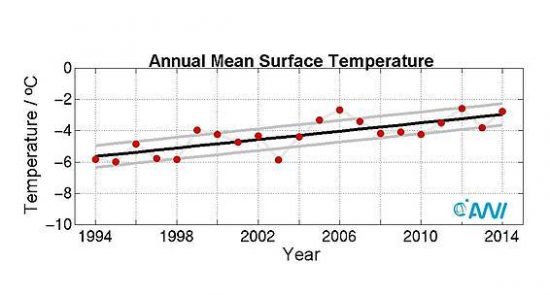
Trending indicates the North Sea will rise another 1.7 to 3.2 Celsius (3.06 to 5.76 Fahrenheit) by 2100. The result will be devastating ecological disruption throughout the surface food chain of species.
The German government is already noting the migration of cold water fish species further north. The most notable are cod which today are disappearing from the neighbouring Baltic Sea from a combination of rising water temperatures and overfishing. In their place warmer water species such as sea bass, sardines, anchovies, red gurnard and striped mullet will become more prevalent.
Water surface temperatures in the North Sea this year reached 11 Celsius (52 Fahrenheit). Only 2014 saw higher surface temperatures of 11.4 Celsius.
What could cause the North Sea temperature to rise?
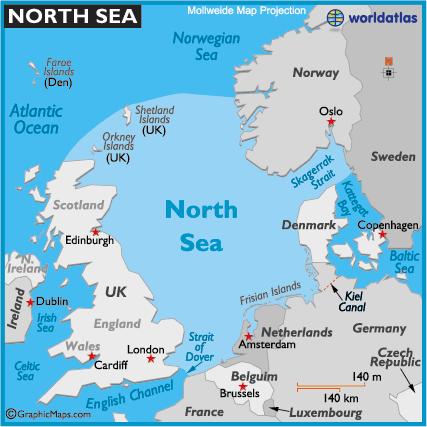
In any case, a warmer North Sea will mean faster sea level rise from thermal expansion, with consequences for those countries bordering the body of water. During storms, higher surges will mean greater coastal flooding and erosion.
Another consequence of a warming North Sea, air currents and wind patterns over water will lead to changes in head and tailwind patterns for airlines. And a warmer sea will mean warmer air and increased turbulence.
]]>