The post Headlines at Techso Mogro for February 8, 2013 appeared first on Techso Mogro.
]]>
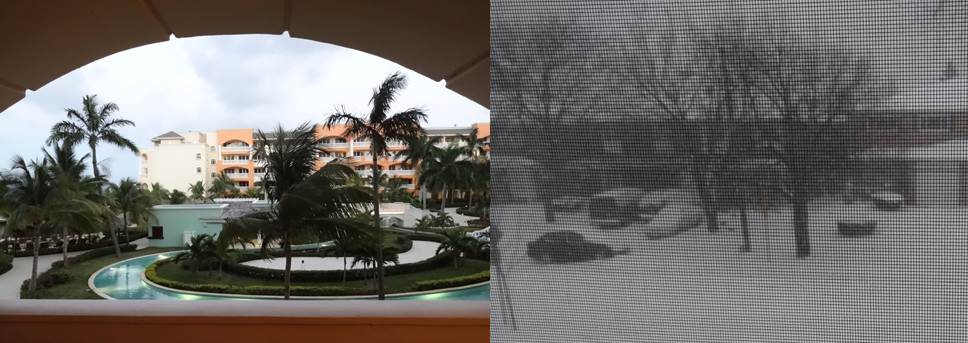
But while I was away and during this week many new and interesting headlines appeared and here are the ones that caught my eye.
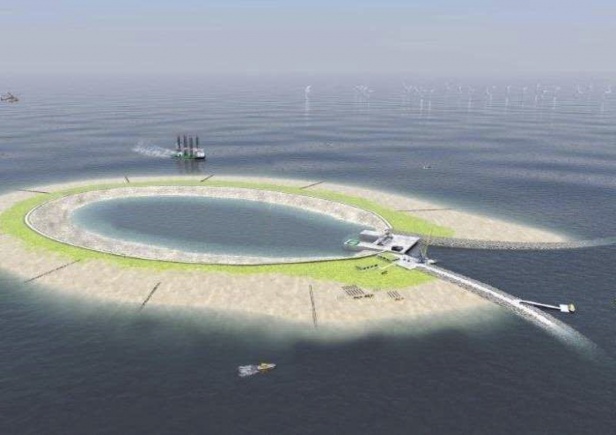
Belgium Plans to Store Wind Energy on an Offshore Island
A proposal by a member of the Belgian cabinet calls for the building of an artificial island atoll 3 kilometers (less than 2 miles) from the coastline that would become a storage depot for excess energy generated from wind turbines. Belgium currently generates 1 Gigawatt of the country’s overall capacity using wind.
The idea would be to use energy generated by wind turbines at off peak periods to pump water into a 30-meter (about 100 feet) deep reservoir lying about 15 meters (about 50 feet) above sea level in the centre of the island and then release the water in peak periods to drive turbines generating 300 Megawatts of electricity.
The rationale – pumped hydro represents a very cheap form of energy storage costing about $100 per kilowatt-hour, far less than battery, pumped air and other current storage technologies that can be mated to wind. If further study leads to a green light for this project it will help Belgium in its goal to transition away from nuclear power by 2025.
Low Tech Cookstove Technology a Potential Lifesaver
Almost 3 billion people today cook using open fires both in and outdoors. This is a major contributor to people dying every year from asthma and other respiratory diseases. The World Heatlth Organization calculates that number at 3.5 million. That’s more deaths than the combined total from malaria and HIV/Aids. Cooking smoke from these ovens poses a greater risk than death from poor sanitation and water.
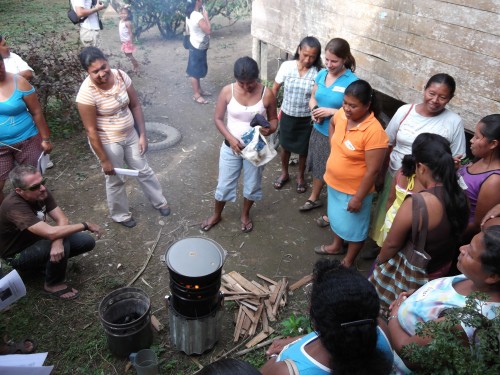
SeaChar.org is a not-for-profit organization located in Seattle, Washington, and is the inventor of the Estufa Finca, a micro-gasifier farm stove that is inexpensive and easy to produce in the Developing World. The Esutfa Finca, seen in the picture below can use many kinds of fuel including seeds, twigs, shredded wood chips, rice husks, in fact, any organic material that can be pelletized or made into briquettes.
The stoves are highly efficient. Even the smoke gets burned. The byproduct of combustion is biochar which gets put into the soil improving water retention and crop yields. Biochar also has commercial value. The output of one stove yields $15-20 per month in potential income. That’s a lot of money for a family in places like Kenya or Costa Rica where the stove is being tested.
Jamaica Looks to Wind Turbines for Renewable Clean Energy
Having spent a day driving through parts of Jamaica last week I was astonished to see how few homes and businesses were equipped with passive solar or photovoltaic arrays. Nor did I see any wind turbines despite the fact that the wind blew quite reliably every day we were on the island. It would seem natural in a tropical country that gets as many sunny days as Jamaica, and experiences steady winds from the Caribbean, that renewable energy would be part of the energy mix. But alas that has not been the case. Today Jamaica, which has no domestic coal, oil or natural gas reserves, gets 95.9% of its electricity from power plants burning diesel imported from Mexico and Venezuela. The balance of generated electricity gets produced using combustible biomass.
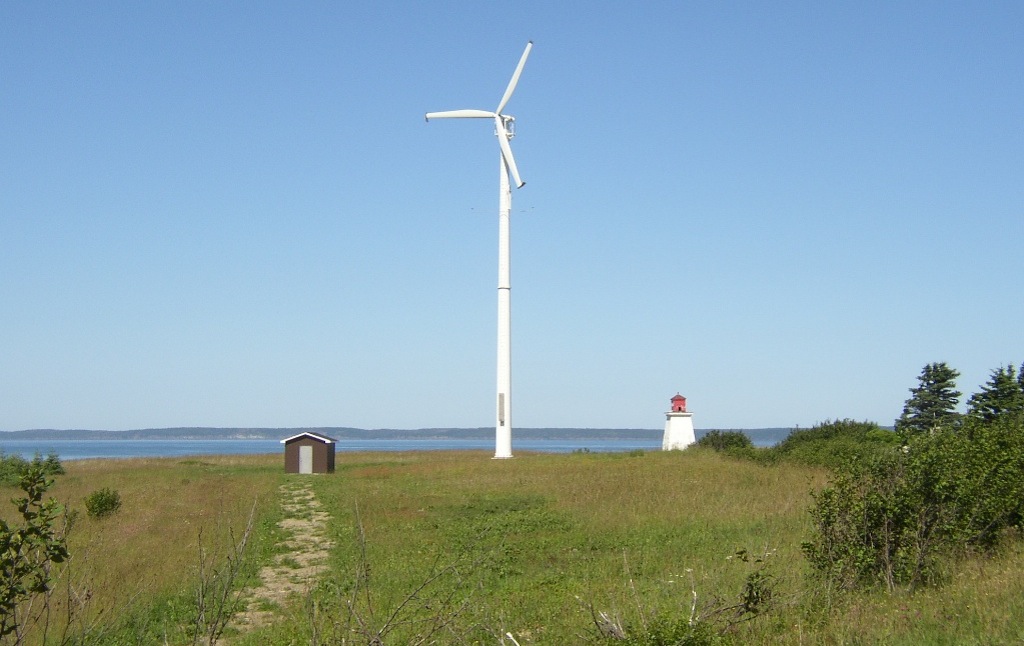
It appears, however, that the winds of change may soon alter the energy mix for the island nation. A Nova Scotia-based company, Seaforth Energy, recently signed a memorandum of understanding to build and setup AOC 15/50 wind turbines on Jamaican farm sites. You can see one of these turbines in the picture below.
The initiative is called Clean Energy for Jamaican Farmers and will provide power from wind energy at a fraction of the current cost. It is expected that Canadian, Jamaican and international financing will underwrite the initiative beginning Jamaica’s transition from imported fossil fuel dependency to energy independence using renewable sources.
Thailand Develops Mobile Unit for Making Floodwater Drinkable
In 2011 Thailand suffered the country’s worst natural disaster since the 2004 Indian Ocean earthquake-tsunami. The annual monsoon which normally induces flooding, in 2011 combined with a tropical storm causing an unprecedented rise in the country’s many river basins. Flooding began in July and persisted until mid-January 2012. Over 13 million in the country were affected and 815 lost their lives. In addition the rising water impacted drinking water sources creating an additional crisis.
Researchers at the National Nanotechnology Center (NANOTEC) decided to develop a made-in-Thailand solution, a solar-powered water purification system that could be carried by boat or truck to anywhere where freshwater sources were compromised. Called the Solar Operating System or SOS, it produces 200 liters of drinking water per hour when the Sun is out. The unit contains a ceramic filter with silver nanoparticles. Setup takes only a few minutes. Watch an SOS in action by clicking here.
The European Space Agency Plans To Build a Moon Base Using 3D Printing
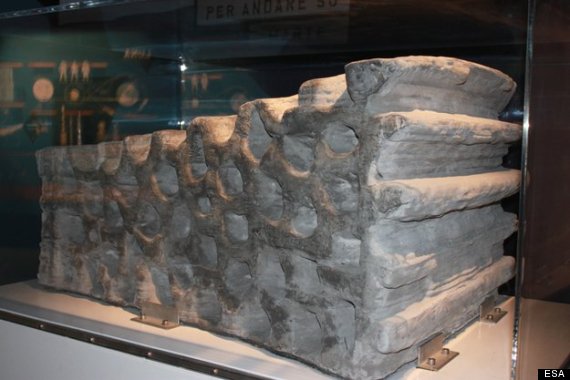
With a 3D printer and simulated lunar regolith, the European Space Agency (ESA) is testing the feasibility of constructing entire structures on the Moon’s surface. ESA has contracted suppliers to design domed inflatable structures featuring cellular honeycombed walls capable of withstanding micrometeorites and cosmic radiation and suitable for human habitation.
The printing technology is the Monolite D-Shape 3D printer, a robotic building system that uses a variety of terrestrial materials to construct buildings from 3D CAD software. For the test simulated regolith was mixed with magnesium oxide which then turned into a paper-like material. When combined with a binding salt it solidified making it as hard as stone. The picture below is the end result, a 1.5 ton building block consisting of hollow closed cells combining strength with reduced weight.
A Postscript
As much as I enjoyed my Jamaican holiday I am happy to be back once again sharing with you all the amazing discoveries that humans are making as we progress through the 21st century. It’s great to have you along for the ride and I look forward to your questions and comments. Thanks for dropping by.
– Len Rosen
The post Headlines at Techso Mogro for February 8, 2013 appeared first on Techso Mogro.
]]>The post Sometimes Technology Does Not Provide The Answer appeared first on Techso Mogro.
]]>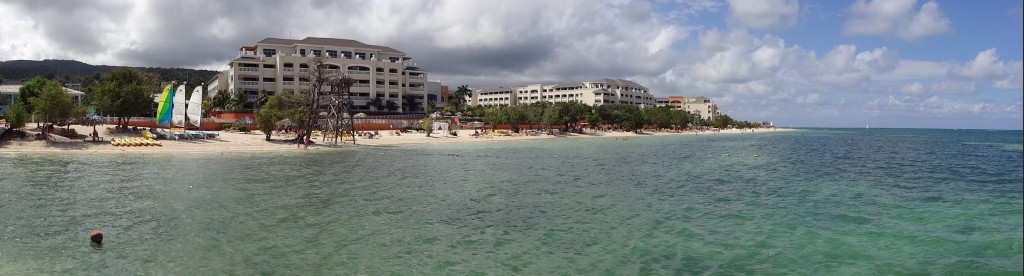
My technology forays were limited to occasional visits to the lobby with my tablet to use the WiFi network connection. Other than that my smartphone stayed off and the only technology I embraced were my digital camera and an eBook reader, but even the latter was not put to use until I finished digesting a physical book, a tome by Kenneth Roberts that I brought along with me.
(If you have never read Kenneth Roberts, he was a writer of historical fiction in the mid-20th century. Much of his writing is centered on the American Revolution. The book I brought along was Oliver Wiswell, a story that describes the Revolutionary War from the perspective of those in America who were opposed to independence. All in all a very interesting alternate history to the one we normally read in the history books.)
But that’s not the subject of this piece. What I am writing about is a technology encounter that happened on the morning of our departure at Pearson International Airport in Toronto. The last time I came through on an international flight there was no Internet cafe in the departure lounge. But this time as we descended the escalator into the food court I was drawn to this high tech restaurant and with my wife we decided to have a sit down breakfast there rather than go to a fast food counter.
The cafe was furnished with sleek brushed aluminum and stainless steel chairs and tables. The counter of glass and steel gleamed. When we sat down in front of us, mounted at mid-table, was an iPad with a docking station. We were invited to touch or use the USB port to plug in our smartphones. Use of the iPad was free. And you had to use it because the menu for ordering was on it.
But before I could even check it out the waitress came by to give us a tutorial on how to use the iPad cafe menu. This appeared to be her principal job because for the next half hour she ran from table to table trying to help many of the patrons figure out how to place an order.
Being fairly technology literate I was able to figure out the menu. My wife and I ordered our food and tea. She likes hers black. I like mine with milk. But the milk option was a check box which wouldn’t check. So I decided after several attempts to just send in the tea order without milk. Then I looked around for the waitress who was trying to cope with several other families who were attempting to place orders as well. She eventually made eye contact and returned to our table. I told her about the snafu with the milk.
She said, “That’s funny. Are you sure you did it right?”
I assured her that I had.
Then she asked me if I wanted to redo the order.
I said, “Can’t you just bring me the milk with the tea?”
But she wanted to try that software and show me so we walked through the menu again only to find out that indeed the milk check box was denying me my milk. So I calmly asked if she could bring me milk on the side. She said “Let me see what I can do.”
I replied, “If the milk check box doesn’t work does that make it a problem to pour milk into a small container so that I could mix it in my tea? After all it’s not a chargeable item.” She went away but I could see that she wanted that box checked off and that was more important even than getting me the darn milk.
When we finally got our tea it was almost cold because it had been sitting at the counter all the time we were trying to check the milk option box. So we sent the tea back but it appeared that hot water was as much a challenge as ordering using the software menu. And the rest of our order came in fits and starts and was no better than the tea.
Meanwhile at the two tables next to us, occupied by one large family, the waitress, caught up in our hot water and milk check box dilemma, had not interceded in time to coach her new customers on how to use the menu. The result another total disaster with the order.
In any event $21.00 poorer for the experience I came to a number of conclusions. Paper menus, even a menu posted on a wall or chalk board works better than a menu on an iPad when the software is improperly designed. I don’t blame the waitress for what we experienced. She was just trying to cope with a system clearly not designed by someone who has ever waited on tables. And she can’t be held responsible for tepid tea or lousy food. Maybe this Internet cafe will get its act together and get the bugs out of their food service delivery system. I hope so for that poor waitress. But somehow I doubt it.
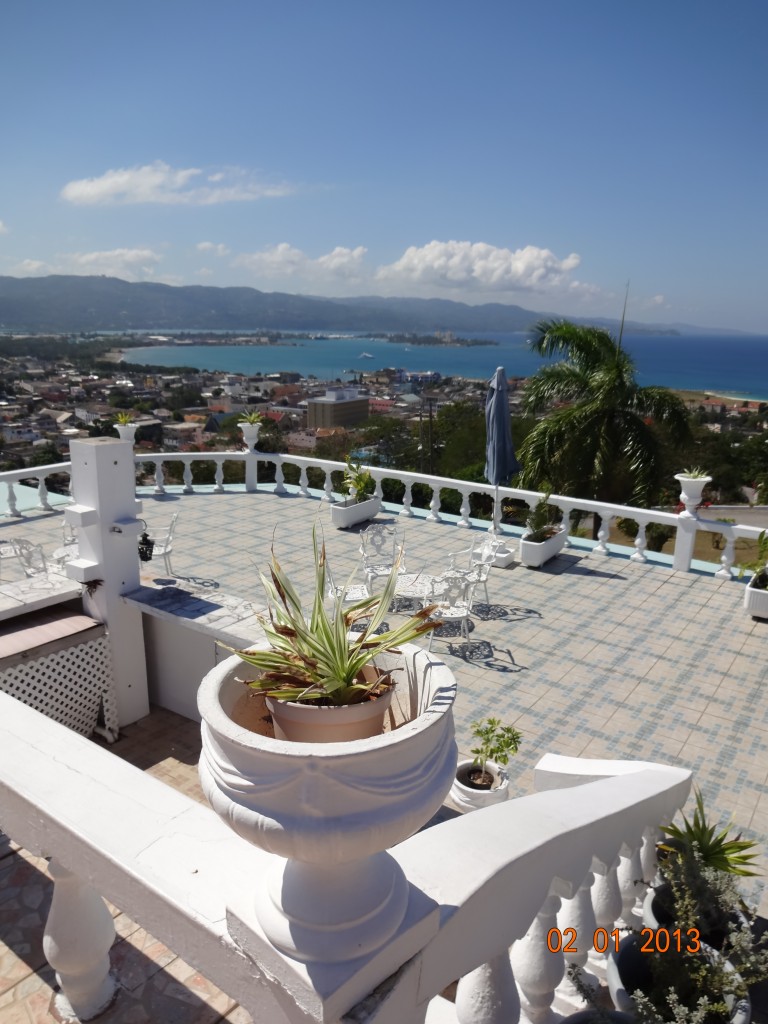
Therein ended our only bad experience on this reprieve from winter. So I leave you on a happy note with a picture that will relax the mind and make you think of a warm tropical sun, sandy white beaches and azure waters.
The post Sometimes Technology Does Not Provide The Answer appeared first on Techso Mogro.
]]>