IBM Canada is proposing that British Columbia track cannabis from grower to user with the blockchain. In a program proposal entitled, An Irrefutable Chain of Custody Audit for the Seed to Sale of Cannabis in BC, released on November 1st, the company suggests the blockchain as “an ideal mechanism in which BC can transparently capture the history of cannabis through the entire supply chain, ultimately ensuring consumer safety while exerting regulatory control.”
Why is IBM making this recommendation?
Because the blockchain is a cryptographically-secure shared ledger capable of tracking the kinds of transactions that will ensue when pot becomes recreationally legal. Its key attributes, states IBM, are:
No decision by the BC government has yet been announced in regard to IBM’s proposal. We’ll let you know if this flies.

It may be that BP and Royal Dutch Shell have proposed to use the blockchain to track commodity trading in energy, but Statoil is planning to join, as are a number of trading firms and banks that currently operate in the energy sector. Implementing the blockchain is seen as a way to eliminate potential confusion over ownership of inventory being shipped by tanker, rail or pipeline. The consortium is seeking regulatory approvals to run its universal ledger and tracking system as an independent company.
The blockchain gives the consortium a secure, real-time system for managing physical energy transactions from trade entry to final settlement. The intent is to end the use of paper and other operational documentation and replace these processes with secure, smart contracts and authenticated transfers of electronic documents all kept in a transparent and auditable universal general ledger. Inevitably the consortium hopes that all forms of energy transactions will migrate to the blockchain in the near future making this industry-wide and reducing costs for all participants.

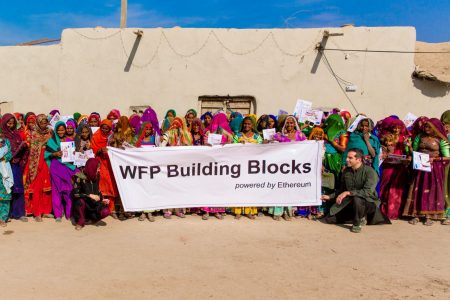
The WFP, a United Nations agency that has the responsibility for delivering food aid to areas of the planet under stress, is working with Ethereum, the cryptocurrency and blockchain provider, to use the blockchain to rollout and track food vouchers at the rate of 1 million per day. The program is called WFP Building Blocks.
Currently, the WFP delivers 10,500 food vouchers daily to Syrian refugees in a camp in Jordan. But the need to expand the program to a larger number, 500,000, and to provide coverage over four refugee camps has the organization working with Ethereum in a custom version of the blockchain.
Distribution of food within the refugee camps is done through camp-located supermarkets. Customers today are identified by iris scan with no cash registers and no money changing hands. All transactions go through the Building Blocks, and only at the end is there a reconciliation of accounts delivering payment to suppliers. By mid-2018, every refugee may receive a cryptographic key to access electronic funds to purchase food. This will effectively provide coverage for the entire Syrian refugee population in Jordan.
]]>