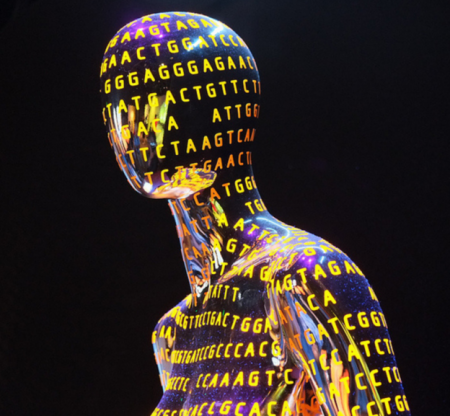
Over the last four decades we have learned new ways to modify genetic information. From cross breeding crops to modifying them using tools like CRISPR we are changing our relationship with domesticated crops and animals. Last January I wrote about using CRISPR to correct a defective gene responsible for Duchenne Muscular Dystrophy. But what is being proposed here is far greater than slicing and dicing an individual gene, which begs the question, why do we need to synthesize an entire genome if we can already benefit just from modifying it?
George Church, Professor of Genetics, Harvard Medical School, provides the answer. He states, “editing doesn’t scale very well…when you have to make changes to every gene in the genome it may be more efficient to do it in large chunks.” In a paper appearing yesterday in the journal, Science, entitled “The Genome Project-Write,” Church is one of 25 collaborating authors from Harvard Medical School, New York University’s Langone Medical Center, and other institutions, that describes the merits of the project. They argue that building the human genome is a “logical extension of the genetic engineering tools that have been used safely within the biotech industry for approximately 40 years and have provided important societal benefits.” The authors acknowledge that their proposed project would lead to “intense moral debate” but in the end would reduce the cost of engineering the genome and therefore contribute to a revolution in human health.
They call the project HGP-write and to get it started they are seeking an initial investment of $100 million. Total project costs over a decade are estimated at $3 billion. Ultimately the cost of synthesizing human DNA will drop 1,000-fold just as DNA sequencing today has dropped from costing millions to an affordable $1,000 U.S.
Where else will synthesizing the human genome help us? Here are some expected benefits: