Genetically modified (GM) crops, however, are very different than those created through selective breeding. In GM a foreign gene enhancement is spliced into the DNA of a plant and then bred to create a new species. Multi-billion dollar companies like Monsanto see GM as a universal answer to solving world hunger. But GM resistance has arisen in many countries because GM crops can have unintended consequences such as:
Selective breeding comes with none of these inherent concerns. Conventional breeding is not subject to controversy. And selective breeding has the same capacity as GM crops to address world hunger. As a result there is an increasing interest in many countries in developing better selective breeding techniques to develop new crop varieties.
One initiative goes by the name of HarvestPlus.Funded by the World Bank and a grant from the Bill and Melinda Gates Foundation, HarvestPlus focuses on developing new plant varieties to address the lack of micro nutrients in staple foods for the billions of people in the Developing World. Staple foods consist of beans, corn, rice, cassava, millet and sweet potato. Through selective breeding techniques the goal is to develop plants that incorporate the micro nutrients that address malnutrition and associated diseases that arise from poor health. Called biofortification, the process involves crossing hundreds of varieties of staple crops to create desirable traits in their offspring. HarvestPlus focuses on three micro nutrients recognized by the World Health Organization (WHO) as critical to diets. These are iron, zinc, and Vitamin A.
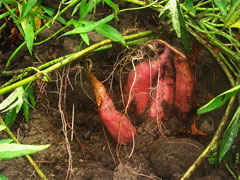
HarvestPlus recent successes include:
By 2020 the sweet potato project will impact 10 million people in 17 African countries. Other bio-fortified crops include zinc-enhanced rice and Vitamin A-enriched corn (maize).
AgroSalud, likes its counterpart, HarvestPlus, focuses on bio-fortified selective breeding for staple crops indigenous to Central and South America to address the same challenges. Between the two organizations, they are demonstrating that what Mendel discovered can be an effective tool for addressing the food production challenges humanity faces with population growth largely a phenomenon of the Developing World.
]]>