The post A New CRISPR Is Removing Chemical Tags To Reactivate Helpful Genes appeared first on Techso Mogro.
]]>Jennifer Doudna first described CRISPR’s capabilities in an article appearing in the journal Science back in 2012. Later, she wrote the book, A Crack in Creation: Gene Editing and the Unthinkable Power to Control Evolution, describing the power of this genetic rewriter to cure diseases, enhance biology, address world hunger, and alter humanity.
CRISPR/Cas9 was the laboratory tool that Doudna used to snip out bad genes and replace them. This was the 1st generation of the tool. The 2nd generation could zoom into DNA strands and correct individual nucleotides.
What UNSW has done is introduce a 3rd-generation CRISPR editor that turns genes on by removing methylation marks, small chemical tags that signal and control gene expression. Methylation marks play a significant role in how DNA responds to diseases like cancer. Too many methylation marks suppress genes that could help fight a particular disease.
Removal of promoter CpG methylation by epigenome editing reverses HBG silencing, is the name of the paper published July 27, 2025, in Nature Communications, that describes the collaboration between UNSW and St. Jude. The paper describes how this 3rd-generation CRISPR is no longer slicing and dicing DNA, but rather is used to remove unwanted methylation marks with Sickle Cell Disease and β‑thalassemia, two inherited blood disorders.
Why target Sickle Cell Disease and β‑thalassemia?
Sickle Cell affects hundreds of thousands born with the defect every year. In 2021, there were an estimated 7.7 million living with it. Sickle Cell changes the structure of hemoglobin, the oxygen-carrying molecule found in red blood cells. The deformed, sickle-shaped cells carry less oxygen, leading to anemia and other symptoms. The Lancet reports that Sickle Cell is one of the leading causes of childhood deaths in sub-Saharan Africa and South Asia.
β‑thalassemia is a genetic defect that causes reduced production of β‑globin, one of the two main proteins found in hemoglobin. It causes anemia and other symptoms. Between 80 and 90 million people carry this mutation, with up to 60,000 symptomatic births each year. A 2024 estimate in The Lancet stated that 1.3 million live with the disease and an estimated 11,000 die from it annually.
States Professor Merlin Crossley, Deputy Vice-Chancellor Academic Quality, at UNSW, “Whenever you cut DNA, there’s a risk of cancer. And if you’re doing gene therapy for a lifelong disease, that’s a bad kind of risk. But if we can do gene therapy that doesn’t involve snipping DNA strands, then we avoid these potential pitfalls.”
Removing methylation groups is a new use for CRISPR. Guide RNA directs demethylating enzymes to targeted genomic locations to reactivate suppressed gene expression. Crossley likens this to taking a wrench to bicycle training wheels and removing them to free the big wheels to do their thing.
Kate Quinlan, a UNSW professor and contributor to the project, sees the potential to use this third-generation CRISPR tool for many other genetic diseases. She notes, “We are excited about the future of epigenetic editing as our study shows that it allows us to boost gene expression without modifying the DNA sequence. Therapies based on this technology are likely to have a reduced risk of unintended negative effects compared to first or second-generation CRISPR.”
Crossley notes that the development of this third-generation CRISPR makes it possible to target molecules in individual genes. No doubt, therapeutic CRISPR treatments will emerge to fight diseases that impact crops, trees, and more. Crossley’s words say it all: “This is the very beginning of a new age.”
The post A New CRISPR Is Removing Chemical Tags To Reactivate Helpful Genes appeared first on Techso Mogro.
]]>The post Using Artificial Intelligence With CRISPR Is Producing New DNA Sequences appeared first on Techso Mogro.
]]>AlphaFold came out in 2018. This machine-learning AI has been folding proteins since it first was developed. It has beaten human competitors in protein-folding contests. Since it first came on the scene it has gone through several iterations with AlphaFold 3, the latest to come out this year. In this new release, it can predict DNA and RNA protein complexes.
AlphaFold was used to model the COVID spike protein helping vaccine researchers to come up with mRNA vaccines to immunize the world. Currently, it is being used to design drugs that interact with target proteins and produce antibody therapies.
AlphaFold is being used to study proteins responsible for antibiotic resistance to fight superbugs. It is also modelling proteins associated with Parkinson’s and other neurological disorders.
AlphaFold researchers are engineering enzymes making biofuels, breaking down waste, and developing biomaterials for medical and industrial use.
Now, AI and CRISPR, the revolutionary genome editing tool are combining forces to produce proteins and bacteria that can breathe in carbon dioxide (CO2) and methane (CH4), the two most potent greenhouse gasses, and exhale organic feedstocks, or produce plastics as a substitute for concrete.
How hot is this subject area? David Baker at the University of Washington’s Institute for Protein Design is this year’s recipient of the Nobel Prize for Chemistry because of his work in this field. The Institute has been designing and predicting protein structures that are the building blocks of life. Baker isn’t alone in marrying CRISPR and AI. Evolutionary Scale, a biotech startup has trained a large language model to help design proteins. Called ESM3, it is the first generative model to create novel proteins. Another biotech company, Profluent, has developed OpenCRISPR-1, an AI-designed gene editor that reduces off-target effects by 95% compared to traditional CRISPR methods. Off-target effects are unintended DNA modifications that can occur when using CRISPR to edit DNA and RNA. Then there is ProGen, a Salesforce AI Research spinoff that in 2020 developed an advanced language protein-building model. The current release, ProGen2, has been trained on a dataset of over 280 million protein sequences.
What will the marriage of AI and CRISPR produce? Expect to see an acceleration in the pace of genetic research as AI is used to analyze large volumes of genomic data. AI will help to identify gene functions and predict gene mutation effects. AI will generate new versions of CRISPR not found in nature creating gene editors with capabilities that go far beyond our current technology.
Where will we see the benefits of combining AI and CRISPR? For medicine, AI-enhanced CRISPR will improve diagnosis and even prevent genetic disorders. It can make medicine even more personalized by analyzing an individual’s genetic profile and suggesting treatment. It can even train the immune system to recognize and attack different cancer cells.
Outside of medicine and materials science, combining AI and CRISPR will have a big impact on agriculture. It will help improve crops to make them more flavourful and nutritious while also improving disease, insect and drought resistance. It will have a similar impact on livestock.
Ethical concerns remain in combining these two powerful technologies. There have to be guardrails to stop mad scientists from creating genetic inequalities that lead to the development of designer babies and superhumans. Remember Star Trek’s, the Wrath of Khan, and you get the picture.
The post Using Artificial Intelligence With CRISPR Is Producing New DNA Sequences appeared first on Techso Mogro.
]]>The post Can CRISPR Edit Our Genes to End High Cholesterol? appeared first on Techso Mogro.
]]>What is cholesterol? It is a fat-like waxy substance that is naturally found in the bloodstream. The body needs it but not too much of it. When too much it causes fatty deposits to accumulate on the inner lining of arteries affecting the heart and brain.
Cholesterol comes in two forms – good and bad. Good cholesterol is carried in the bloodstream by high-density lipoproteins (HDL). HDL lowers the risk of stroke and heart disease. Low-density lipoproteins (LDL) are bad cholesterol which causes fatty buildups called plaque to form on the walls of arteries.
High cholesterol levels are checked through blood tests. Our bodies on average contain 4.7 million milligrams (160 ounces) of blood. When cholesterol level tests show they exceed 200 milligrams (0.007 ounces) per 10 litres (642 ounces) you are at risk.
The WHO recommends dietary programs as a first line of defence including reduced consumption of salt and processed foods while increasing the eating of fruit and vegetables. Other lines of defence include stopping smoking and increasing exercise.
Then there are drugs with statins along with blood thinners as global standards. The WHO states the combination has halved incidents of stroke and heart disease globally.
If you are unfamiliar with CRISPR an acronym that stands for Clustered, Regularly Interspaced Short Palindromic Repeats, consider the following a quick course in genetics and DNA. DNA is a double-helix that looks like a twisted ladder with each rung formed from pairs of nucleotides, chemicals that combine different types of sugars, phosphates and nitrogen. These chemicals have names: adenine, cytosine, guanine and thymine. Adenine and thymine (A-T) always form one base pair. Guanine and cytosine (G-C) form the other. The order in which the base pairs link up forms the steps in the double-helix ladder. When a genetic defect occurs, that’s where CRISPR can be used to cut out one or more base pairs and replace them with a corrected sequence. Doing this swaps out bad genes for good and theoretically can be used to cure many genetic-caused anatomical defects as well as diseases.
In a Phase 1 clinical study, researchers used CRISPR to target a faulty PCSK9 gene in our liver by replacing it with an edited version of the gene responsible for familial high cholesterol levels. Injected into 10 patients between the ages of 29 and 69, the results so far are encouraging. Three who received a high dose saw a healthy reduction in blood cholesterol levels. Two of them experienced LDL levels drop by 39 and 48%. One who received the highest dose saw a 55% reduction. These reductions so far have lasted over six months and counting.
An NPR article published on November 12, 2023, quotes Dr. Sekar Kathiresan, Executive Officer at Verve Therapeutics, the Boston-based pharmaceutical company developing one-and-done gene therapies to treat diseases, describes the early results stating “This is really the first-ever evidence that one can actually rewrite a single DNA letter in the liver of a living human being and have a clinical effect.”
There are obvious uncertainties to using CRISPR to edit DNA whether it be to treat high cholesterol or any other genetic-caused disease. Can there be “off-target” unintended effects years later? Can an edited gene cause another disease to manifest? The current gold standard for using CRISPR to treat a disease is sickle cell anemia. Sickle cell has never had an effective drug-based therapeutic alternative. That is not the case for high cholesterol including the kind that shows up in family histories. Today, both are treatable using lifestyle changes (diet, weight loss, and exercise) and the taking of inexpensive cholesterol-lowering drugs.
Nevertheless, ending high cholesterol with an inexpensive alternative that replaces a bad gene with a good one would not be unwelcome, and would be a further step in the development of gene-editing treatments for more genetic-caused diseases including many forms of cancer.
The post Can CRISPR Edit Our Genes to End High Cholesterol? appeared first on Techso Mogro.
]]>The post CRISPR for the Masses is Coming – Genetic Vaccines Are In Our Very Near Future appeared first on Techso Mogro.
]]>In 2019, CRISPR started moving out of university research laboratories and into the world of medical clinical trials. In one case it was used to edit the DNA of T-cells by removing a gene and replacing it with one to attack sarcomas and multiple myelomas. A similar editing experiment replaced a gene in people suffering from beta-thalassemia, a genetic blood disorder. And in another trial, CRISPR-modified bone marrow stem cells were used to eliminate sickle cell anemia.
Among the Massachusetts Institute of Technology’s 10 technology breakthroughs in 2023, CRISPR made the list. Why? Because MIT sees CRISPR’s days in clinical trials around rare diseases coming to an end. The CRISPR of today, eleven years after it first came on the scene, is no longer just a slice-and-dice tool.
CRISPR is being used by a company, Verve Therapeutics, today, to alter genetic code associated with high cholesterol that is treated using drugs called statins.
I take statins once a day because my cholesterol levels are slightly higher than normal. I remember when it was first prescribed, the doctor said the city should be putting statins in the drinking water just like fluoride because high cholesterol was a huge problem here in North America.
Cholesterol comes in two forms, one good, the other bad. Our bodies need good cholesterol because it is essential to cells. But too much of the bad kind can clog arteries and lead to strokes and heart attacks.
According to the U.S. Centers for Disease Control (CDC), more than half of American adults are on prescribed statins to reduce cholesterol levels. That number isn’t too far different in Canada. But there are problems with being on statins forever. Blood levels have to be checked periodically to ensure the doses are right and cholesterol levels are within the normal range. Statins also have side effects. For instance, when I first started on a statin I had horrific backaches. A pharmacist recommended I take a supplement, CoQ10, with the statin and the problem has never reoccurred.
What Verve is offering instead of a statin, is the first genetic vaccine on the market, a one-time fix to permanently lower bad cholesterol levels. To understand how a genetic vaccine works here is a quick refresher on DNA. It is a complex molecule containing four nucleotides, also called nucleobases. They go by the names adenine, guanine, cytosine and thymine. These are the biological building blocks for life on Earth.
What Verve has done is use CRISPR to edit a single nucleobase within our DNA for PCSK9, a gene expressed in the liver. PCSK9 encodes a protein that regulates the amount of cholesterol in blood plasma. Delivered as a vaccine Verve has shown the treatment lowers blood cholesterol levels by as much as 70% and keeps it down permanently. Limited human testing has shown excellent results. Larger clinical trials are coming up.
From Verve’s curing high cholesterol to the use of CRISPR for genetic vaccines to cure other diseases is not too far in the future. A CRISPR-derived genetic vaccine could lead to a cure for diabetes, high blood pressure, and even Alzheimer’s.
CRISPR for the masses can be revolutionary. It has enormous ramifications for humanity with genetic vaccinations replacing many prescription drugs. And a genetic vaccination will only need to be administered once providing a permanent fix.
Those who see this as us playing God will likely react negatively to this medical breakthrough. I suspect the anti-vaxxers will be out with pitchforks in hand ready to march. And on the Internet conspiracy theorists will spread fear and misinformation about CRISPR and the evil intent of a medical cabal out to take over the world and turn us into zombies. For those who fit into these categories, the option of the prescription pills we have today will still remain.
The post CRISPR for the Masses is Coming – Genetic Vaccines Are In Our Very Near Future appeared first on Techso Mogro.
]]>The post Humanity’s Challenges and Breakthroughs in Science and Technology That May Help – Part 3 appeared first on Techso Mogro.
]]>Food insecurity is directly linked to human population growth. Where our population is growing the fastest, that’s where we find threats of famine. And that also coincides with where humans are poorest and most susceptible to anthropogenic climate change.
Climate change, the world population of both humans and livestock, declining natural resources, and the continuation of poor policy decision-making are all contributing the food insecurity globally. Let’s address these issues:
By 2050 the world’s atmosphere over land and oceans will all have warmed further whether we start ratcheting down carbon emissions immediately or not. The latent effects of current greenhouse gasses (GHGs) in the atmosphere, in particular, carbon dioxide (CO2) make this forecast a certainty.
The IPCC’s latest report states we are already seeing land atmospheric temperatures 1.59 Celsius (2.86 Fahrenheit) above pre-industrial revolution values. And median atmospheric temperatures over our oceans have risen 0.88 Celsius (1.58 Fahrenheit). By 2050 the two numbers will continue to climb.
What is the implication for agricultural production in tropical and subtropical zones of the planet? The change in temperatures will also mean changes to precipitation patterns. It means land once suitable for particular crops will become less suitable. And crop yields on more marginal agricultural lands will likely be impacted negatively.
Current modelling points to an expanded temperate farming zone in both the Northern and Southern Hemispheres. But it also shows climate variability and a frequency increase in extreme conditions from hot to cold, and wet to drought. And current modelling shows a decrease in tropical and sub-tropical farming as air temperatures become too hot for plants, animals, and the farmers who tend to both.
Increasing CO2 which is expected to hit 550 parts per million by 2100, will have both negative and positive consequences for plants. The planet will be greener when viewed from space but crops will be less nutritious. And whether in North or South America, Eurasia, Australasia or in Pacific island nations, what we grow and where we grow will change. In areas today such as sub-Saharan Africa and parts of South Asia, where we already are seeing chronic undernourishment, food production and food safety will further destabilize.
Why will increased atmospheric warming impact food safety? Because the altering conditions will affect disease vectors, the integrity of harvested crops, access to freshwater, and an increase in food reliability. All of these conditions will further impact human and livestock populations, affect labour productivity, increase poverty, and see a rise in mortality.
In addition, the cost of food will become a factor of a warming climate. Rising prices will affect affordability and make those who are the poorest suffer most. Currently, the world is witness to a climate change famine in Madagascar. In the future, vulnerable areas like the southern half of the Indian subcontinent, sub-Saharan Africa, and South Asia may experience similar conditions.
The drying out of continental interiors in North America, Asia, and Australia will reduce crops yields. And even if the poleward march of warming temperatures opens up new farming opportunities, the variable quality of the soils and the nutritional content of yields will mean less reliability for food security.
Recent advances in farming practices, science, and technology are helping to counter the narrative described above. These advances along with improvements to infrastructure in Developing World countries will help reduce crop losses, improve post-harvest food preservation, and upgrade transportation from field to table to ensure better distribution to consumers.
At a recent webinar I attended on farming and climate change, I listened to farmers and agribusiness people describe improving practices that pull CO2 from the air into the soil. They talked about perennial polyculture, cover and intercropping farming and why adding carbon to the soil helps increase yields while drawing down on atmospheric CO2 to mitigate global warming.
But what wasn’t discussed was genetic crop science, probably the most important technological and scientific breakthrough to have direct implications for future food security globally. What this is all about is the improvement to plants through genetic editing using a variety of tools and techniques including CRISPR, the gene-splicing breakthrough I have written about before, to give farmers the ability to grow more even in the face of extreme growing conditions caused by climate change.
These genetic technologies provide an answer to a planet whose human population continues to climb even in the face of global warming and its impact on food production. With current world population growth, the need for farmers to increase production by 50% to meet food demand in 2050 is apparent. And diets are changing with the Developing World’s increased demand for more meat and dairy in their populations’ diets. This demand is leading to Amazon, African and South Asian deforestation pressures to make more agricultural land available.
Then there is the government regulatory bias against genetically modifying plants and animals supported by environmental groups such as Greenpeace who see evil in the science, and have labelled these products as “Frankenfoods.” Today to get a genetically modified crop approved can take two or more years. And whereas most governments on the planet believe in the science associated with our COVID-19 pandemic response, where agriculture is concerned, however, they reject the science imposing arbitrary regulation heavily influenced by uninformed consumer pressures.
Arable land on our planet is reaching a finite limit in tropical and subtropical countries. Encroachment into forested and more marginal growing areas (i.e., the deforestation of the Amazon basin in Brazil) is only a temporary fix to what will be a chronic shortage as global warming increases.
But genetic science gives us the means to achieve more on less. Take, for example, China. The country has less arable land today than in the past. Urbanization, industrialization, and environmental degradation continue to impact arable farmland negatively. Climate change and extreme weather such as droughts are causing desertification. The result is that China has to produce more food on fewer hectares of land. That’s why the country today is the world’s largest investor in genetic research on crops. Chinese see this as insurance to help it feed 1.3 billion which is expected to peak at 1.4 billion by 2030. Genetic research and tools help China to fight the impact of climate change on crops leading to new versions of plants that are resistant to heat and drought, needing fewer pesticides and herbicides and absorbing nitrogen from the air and root systems rather than needing fertilizers manufactured from fossil fuels. Today China is self-sufficient in food but its ongoing fear of climate change has the government focused on using genetics to ensure a future with no food scarcity or famine.
The tools are readily available. The science is proven. For food security humanity needs the science of genetics to improve plants and animals that we depend on for nutrition and survival. And governments that currently follow policies that pander to the uninformed, need to recognize the validity of this science and these tools to keep food scarcity from becoming the future reality.
The post Humanity’s Challenges and Breakthroughs in Science and Technology That May Help – Part 3 appeared first on Techso Mogro.
]]>The post Move Over CRISPR – Retrons are Here appeared first on Techso Mogro.
]]>Putting that into English requires a bit of explanation. Pooled construction refers to doing genetic modifications in volume. That is the most defining advantage RLR has over CRISPR which works as a one-off cut-and-replace gene-editing tool. Instead, RLR supports large-scale modifications of targeted genes, generating millions of mutations simultaneously.
States Max Schubert, a postdoc at the Wyss Institute, “For a long time, CRISPR was just considered a weird thing that bacteria did, and figuring out how to harness it for genome engineering changed the world. Retrons are another bacterial innovation that might also provide some important advances.”
He goes on, “RLR enabled us to do something that’s impossible to do with CRISPR: we randomly chopped up a bacterial genome, turned those genetic fragments into single-stranded DNA in situ, and used them to screen millions of sequences simultaneously.”
So what are retrons?
They are segments of bacterial DNA that produce fragments of single-stranded DNA (ssDNA) through reverse transcription. They have been known about for decades but the function of ssDNA escaped understanding.
With the work of the Wyss Institute researchers, it took several decades to discover how ssDNA could be used in a gene-editing process called oligonucleotide recombineering. Retrons can produce ssDNA within cells to do editing. You don’t have to come in from the outside as you do with CRISPR. As a result, the edited genes can be inherited and replicated. And CRISPR requires much greater precision. Using it can damage native DNA inadvertently making cuts to non-targeted genes. That won’t happen with ssDNA. Using RLR, therefore, researchers can perform millions of experiments simultaneously observing mutations across an entire genome. It’s no longer a one-shot deal.
The Wyss researchers don’t believe RLR will replace CRISPR. They see a combination of the two tools as a leap forward in recombinant engineering of DNA. But for now, more work is needed to improve RLR’s editing rates. The advantages are already apparent with the tool’s ability to study interactions of multiple mutations. But when combined with artificial intelligence and machine learning, RLR will allow researchers to predict future mutations.
The findings are published this week in the May 4th edition of PNAS, the Proceedings of the National Academy of Sciences of the United States of America.
The post Move Over CRISPR – Retrons are Here appeared first on Techso Mogro.
]]>The post CRISPR Continues to Revolutionize Genetics and Other Fields of Study appeared first on Techso Mogro.
]]>If you are not familiar with CRISPR, it gives scientists the power to edit DNA to cure diseases, enhance biology, address world hunger, and if desired, alter humanity. CRISPR/Cas9, the Cas9 referring to a particular protein produced in cells, has the ability to excise bad DNA code and replace it with correct or enhanced genetic sequences using a snip and replace technique that can be used over and over again within a single cell. In other words, it’s a tool to reinvent biology. But more than that, it can be a tool to create alternative energy sources to wean us off fossil fuels.
One line of research is using CRISPR/Cas9 to create new microorganisms that produce biofuels. Think algae on super steroids churning out tons of environmentally green fuels to replace oil and natural gas. When biofuels are burned they emit 60 to 90% less greenhouse gas (GHG) emissions than fossil fuels. Enhancements to microorganisms like algae and bacteria could produce hydrogen, bioethanol, and biodiesel, reducing GHG emissions to zero.
The current research is using CRISPR/Cas9 to alter the metabolic pathways within these single-celled creatures to increase lipid content and enhance carbon fixation. The combination not only produces the base product for biofuels but also contributes to carbon capture and storage.
In other research with CRISPR, a University of California, San Francisco team is experimenting with a version 2.0 of CRISPR/Cas9 that not only can correct defective genes in a cell but also pass the improvements on the cell’s descendants. The enhancements to the CRISPR/Cas9 tool, the team has named CRISPRon and CRISPRoff. In other words, the enhanced tool can flip genes on and off without damaging the DNA. In experiments, the team has targeted over 20,000 genes in human kidney cells using the tool like a light switch. When CRISPRoff has been used the team has been able to pass along the genetic mutation through 450 cellular generations.
Practical application of the technology can be used to tackle diseases like Alzheimer’s, stopping the protein associated with the condition from being expressed. But don’t stop there. This discovery could change gene editing forever. How so? We can create synthetic organisms and reprogram them to help us deal with the challenges we face in the 21st century from pandemics to climate change. We can stop mutations in their tracks. Think of all the current COVID-19 variants that are a troubling addition to the global pandemic. Or improvements we can make to food security as we harden crops to withstand the worst that climate change can throw at us. And changes we make using these CRISPR/Cas9 enhancements are not only programmable but also inheritable.
The post CRISPR Continues to Revolutionize Genetics and Other Fields of Study appeared first on Techso Mogro.
]]>The post CRISPR Tackles Sickle Cell Disease appeared first on Techso Mogro.
]]>CRISPR today is being tested in clinical trials to treat Type-1 Diabetes Mellitus, Glycogen Storage Disease, Duchenne Muscular Dystrophy, Myotonic Dystrophy, Cystic Fibrosis, and a number of refractory cancers including blood disorders and carcinomas. Add to this sickle cell anemia.
What do we know about this disease?
Today it is the most commonly inherited blood disease in the United States affecting mostly African Americans. About one in 12 carries the genetic trait, a mutation of the hemoglobin-Beta gene located on chromosome 11. That mutation causes red blood cells to deform from being circular to sickle-shaped. This makes the blood cells stiff and sticky causing clotting, organ and tissue damage. When the immune system encounters sickle-shaped blood cells they are destroyed. Hence those suffering from the genetic defect become anemic and suffer chest pains, strokes, and damage to the spleen, kidneys, and liver. They are highly vulnerable to bacterial infections.
The inherited genetic defect can be passed from parent to child. If both parents have the defect, their baby has a one in four chance of being born with the disease. If only one parent has the defect, the baby has a one in two chance of inheriting the trait and passing it along to their future children.
Using CRISPR to repair the mutation seems like a natural for the technology. And now the U.S. Food and Drug Administration has approved a clinical trial using the tool for that purpose. The planned trial is to last four years and is being led by physicians from the University of California – San Franciscio (UCSF) and University of California – Los Angeles (UCLA). The first site is the Benioff Children’s Hospital in Oakland. The Los Angeles site is the Broad Stem Cell Research Center associated with UCLA. Six adults, and three adolescents with severe sickle cell disease are the initial enrollees for the trial which will use CRISPR to snip out the defective beta-globin gene in these patients and replace them with a repaired version. If successful it will produce a cure and become a preventative so that no one need experience the irreversible complications that impact sickle cell anemia sufferers.
The trial will use each of the participants’ own hematopoietic stem cells harvested from bone marrow. These will be removed and then gene-edited and cultured. The remaining bone marrow of each participant will then be destroyed using chemotherapy. The gene-edited cells will then be reinfused into the bone marrow where they will multiply. The trial will mark its success if the genome-edited stem cells correct the mutation enough to impact the red blood cell population. A correction in 20% of the bone marrow should be sufficient to knock out the participants’ sickle cells.
In future, the hope is to create a technique for correcting the sickle cell mutation without removing the stem cells or destroying bone marrow because this would shorten the amount of time the participants are immune-compromised and subject to the potential complications that come with the use of strong chemotherapy drugs. This could be accomplished using a nanoparticle delivery of the CRISPR enzyme directly to the stem cells.
If the current four-year trial is successful it will open the door to treating all types of blood disorders using a similar modality. And ultimately if the treatment can be delivered directly to stem cells within the body, it will be revolutionary.
The post CRISPR Tackles Sickle Cell Disease appeared first on Techso Mogro.
]]>The post Is Aging a Pandemic Equivalent to COVID-19? Not Really While Researchers Show Us 100 May be the “New 60” appeared first on Techso Mogro.
]]>June 11, 2020 – About a week ago I received an e-mail blast from Peter Diamandis, of X-Prize fame, in which he stated that the world is facing two pandemics: the first COVID-19, the second, aging. Aging has been with us as a species from the moment humans emerged from the tree of life. Calling it a pandemic seems facile. It’s like calling erectile dysfunction a disease in men rather than a sign of aging. But nonetheless, the biopharmaceutical industry and scientific community are tackling aging as if it were a disease.
In Peter’s e-mail he reviewed the technologies on the cutting edge that could add 20 to 30 healthy years to the lifespan of the average human. He describes 100 as the new 60 in the coming decades.
On this planet today live 7.8 billion humans of which 9% are over the age of 65. That’s approximately 720 million of us who have reached a point where the accumulations of our life’s journey has piled up leaving us with chronic health problems like heart and respiratory diseases, cancer, arthritis, dementia, and other conditions. These problems don’t start the day we turn 65. They are acquired over a lifetime and some believe they are symptoms of larger condition called aging. Peter argues that science and medicine is only now beginning to recognize the spectrum of conditions as being within the overall disease called aging.
Should we accept the natural limits of our species? And if we do, just what are these limits? Is it 90, 100, 110, or more? Many species on this planet outlive us. Bowhead whales can live for 200 years, and Greenland Sharks, Sea Turtles, and some land tortoises can make it to 400 years or more. And then there are trees that can live thousands of years. What is innate in them that is not in us? Peter asks if this is a hardware or software problem, and if so, don’t we already have sufficient knowledge and the tools necessary to repair both?
On this blog site we write about some of these tools such as CRISPR, stem cells, gene drives, and more. Dr. David Sinclair of Harvard Medical School, in his book Lifespan, believes the technologies we have or are in the process of maturing will allow people born today to live to 120 in good health, and even make it to 150 or more. These tools include:
Aging happens because our normal cell functions over a lifetime begin to destabilize. When cells no longer have the capacity to thrive they experience apoptosis, cell death. But in using gene therapy tools there is no reason for specific cells in our bodies to die. And with CRISPR-Cas9, we can go into our DNA and edit it inside the cell to provide a repair kit for almost any problem.
Today we can re-engineer our DNA instructions by target specific areas of the genome, snipping out bad code, and inserting a healthy bit of replacement instructions. CRISPR is cheap, fast, and getting easier to use. Recently, scientists at the Broad Institute associated with MIT and Harvard University, unveiled CRISPR 2.0, a next-generation editor that’s extremely precise capable of changing a single nucleobase of which there are four strung out along the double helix that is the basis for life on this planet.
David Liu, a Harvard chemical biologist states, “Of more than 50,000 genetic changes currently known to be associated with disease in humans … 32,000 of those are caused by the simple swap of one base pair for another.”
We are made up of more than 30 trillion cells. All of them were derived from the embryo defined as pluripotent stem cells. Our bodies contain millions of stem cells which can replace damaged tissue. As we age the number of stem cells decline.
But what if we could restore our stem cell population? What if we could take stem cells from harvested placentas and augment our stem cell population? Celularity is a company doing just this to extend life using placenta-derived stem cells.
A San Diego-based company, Samumed, is targeting the signaling pathways that regulate adult stem cell self-renewal and differentiation through a pathway known as “Wnt” which stands for Wingless and Int-1, pathways to allow proteins that engage the surface receptors on the cell wall to pass signals to the cell’s inner workings. Proteins are critical to executing DNA and RNA instructions and Samumed is using this normal cellular process to deliver instructions through nine new drugs to regrow cartilage, heal tendons, remove wrinkles, stop a multitude of cancers, and reverse Alzheimer’s.
Our body’s cells have a limited shelf life. They can divide approximately 50 times before dying, a condition called apoptosis. But what if we could end programmed cellular death without unintended consequences?
In our body today a small fraction of our cells are senescent cells that don’t go through an end of life with damaging consequences for our bodies. These cells secrete molecules that trigger inflammatory responses and change the behaviour of nearby cells. They are associated with many of the symptoms of aging including fibrosis, blood vessel calcification, osteoarthritis, and diminished organ function.
Unity Biotechnology is a Brisbane, California company focused on developing senolytic therapies with a goal to eliminate senescent cells associated with osteoarthritis, pulmonary diseases, and other aging conditions. They have under development a number of senolytic medications aimed at musculoskeletal, ophthalmology, pulmonary, neurology, and multiple organ aging challenges.
One of their drugs under development, UBX0101, is being evaluated for the treatment of osteoarthritis of the knee. That got me interested. ApparentlyUBX0101 is a small molecule inhibitor of the MDM2/p53 protein to trigger the elimination of senescent cells. In Phase 1 clinical trial, with patients suffering from moderate to severe osteoarthritis of the knee, initial results announced in June of last year showed promising improvements in pain and function. That’s not a cure, but for someone suffering from osteoarthritis of the knee, those two improvements would be a welcome relief.

The post Is Aging a Pandemic Equivalent to COVID-19? Not Really While Researchers Show Us 100 May be the “New 60” appeared first on Techso Mogro.
]]>The post Re-engineering Plants to Feed the World and Fight Climate Change appeared first on Techso Mogro.
]]>Our ability to slice out bad genes and replace them with healthy ones has been revolutionary not only in medicine but also in agriculture. CRISPR is the technology of choice coming in a variety of flavours. The most notable is Cas9. Although there are other variations including CRISPR-SDN-1, 2, and 3, and CRISPR-Cpf1.
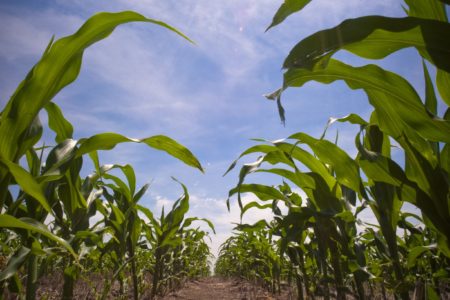
CRISPR is already altering wheat, corn, rice, and tomato crops. In wheat it is giving the plant the ability to resist powdery mildew fungus. In corn, rice, and tomatoes, it is increasing yields even in adverse environmental conditions such as drought.
What CRISPR provides is a low cost, easy-to-use tool for sustainable agriculture in the future. It can be used with every plant we grow allowing us to improve traits in food crops, the plants used for fallowing in between, and giving plants better environmental and disease tolerance.
Billions of years ago plants perfected turning sunlight into a powerful energy source to allow them to flourish. But photosynthesis is by no means perfect producing unproductive byproducts that are energy inefficient.
The Realizing Increased Photosynthetic Efficiency (RIPE) project out of the University of Illinois-Urbana-Champaign is out to eliminate these energy inefficient byproducts of photosynthesis. Among those funding the project are Bill and Melinda Gates. What the research hopes to accomplish is double the productivity of rice, corn, cowpea, soybeans, and cassava. They have modeled the 170-step chemical process plants use to harness sunlight. Studying various spectra and lighting conditions (when clouds cover the Sun for example), the research is showing how plants absorb and convert light into energy.
In other research, the University is looking at improving the functioning of the enzyme, Rubisco, responsible for capturing carbon dioxide (CO2) and converting it into sugar for the plant’s use. Rubisco has an inefficient trait because 20% of the time it makes mistakes grabbing an oxygen rather than CO2 molecule. This generates a needless process called photorespiration that robs the plant of some of the energy gained from sunlight. Re-engineering the photorespiration pathway to shorten it by as much as 40% is the current project that is increasing photosynthesis efficiency. Testing is being done using tobacco plants. Future research will transfer the new re-engineered pathways to the major food crops mentioned above.
Research being done at Cornell University is studying stem cells that generate the above-ground parts of plants from shoots to leaves, to stems and flowers. One type of stem cell called the shoot apical meristem (SAM) is deemed responsible for all of these structures. The work at Cornell is focused on SAM in corn with a goal to alter the plant’s architecture to improve both individual as well as group productivity.
At Bayer Crop Science, the former Monsanto, researchers are creating hybrid corn that is shorter and stronger to resist extreme weather events and allow farmers to plant it in greater density. These short-statured hybrids have more upright leaves and smaller tassels that allow them to harvest more sunlight, and to prevent green snap which can level of an entire field when winds or hail disrupt crops in the field.
In this category we are not talking about creating bigger root crops like potatoes, carrots, or casava, but rather enhancing root formation and giving plants greater resistance to decomposition to enable them to sequester carbon.
Joanne Chory, a plant biologist at The Salk Institute in San Diego, is harnessing plants to create a biological carbon sink. Plants are already good at absorbing CO2 but to help fight climate change the goal is to make them absorb even more by making staple crop root systems deeper. A substance called suberin which can be found in the rind of canteloupe both resists decomposition and captures CO2. So her team of biologists are creating plants with suberin-rich roots that when harvested keep the CO2 in the soil.
In a recent interview with Wired, she stated, “Every year plants and other photosynthetic organisms take up an incredible amount of CO2—like twentyfold more than we ever put up when we burn fossil fuels—but then at the end of the growing season most plants just die, and they decompose, and it goes back up as CO2. That’s been a real problem.” But by expanding root structures so they go deeper, when the plants die in the fall, the root structures remain with the carbon entrapped.
The research has identified three genetic controls, one that increases suberin, a second that enlarges root systems, and a third that makes them grow deeper. They are experimenting with a model plant called arabidopsis and hope within the next five years to duplicate these genetic traits, using traditional standard plant-breeding techniques, in corn, soybean, and rice.
Global warming has altered normal weather patterns. Areas that had an occasional drought like California, Southern Africa, and Australia, are experiencing longer periods of bone-dry conditions both in the air and soil. Altering the genetics of plants to grow even when water is scarce, and the heat is extreme has involved the use of CRISPR technology.
DuPont is using CRISPR to edit a single gene responsible for expressing an enzyme, ARGOS8. Getting the gene to over-express the enzyme contributes to its hardiness and gives the plant the ability to grow even in drought conditions. Testing in eight different locales across the United States, the gene-altered corn has shown its superiority over traditional plants created through selective breeding to try and develop similar resistance. The corn still awaits regulatory approval for commercial planting.
Meanwhile, a group of Indian scientists has created salt-tolerant transgenic rice by altering one of the plant’s genes. An isolated gene, PcIN01, produces an enzyme that synthesizes inositol creating a higher salt tolerance. Why is this important? Because in coastal farms where sea level rise is a threat, and increasingly aquifers are seeing intrusions of saltwater, the ability to continue to grow rice and achieve high yields is imperative. For countries like the Philippines, Bangladesh, India and others in South Asia, growing rice in high-salt soils may make a difference between bumper harvests, or famine.
The post Re-engineering Plants to Feed the World and Fight Climate Change appeared first on Techso Mogro.
]]>