Croft is not the first to proclaim a set of laws, axioms or commandments for robots and AI. Instead, he follows in the footsteps of one of my favourite science fiction writers, Isaac Asimov, who envisioned three laws in a series of novels, novellas and short stories.
So here is the newest rendition of the 10 commandments:
The interest of the Church of England in technology these days is quite a departure from the past. A few days ago I wrote how churches in remote areas of the country will now become broadband, mobile and WiFi hubs to give local rural populations Internet access.
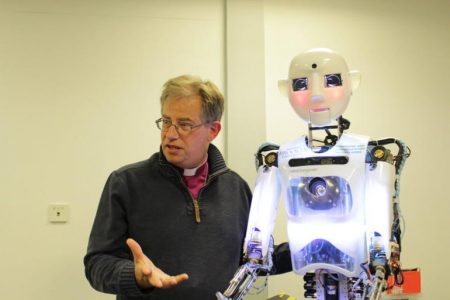
Croft, in his pronouncements, shows that the Church itself is caught up in both the AI and robot revolution, and understands the implications for parishioners in the immediate future. A visit to his blog site displays his interest in providing Anglicans with an understanding of the role of faith in addressing climate change and sustainable development.
Who would have thunk it?
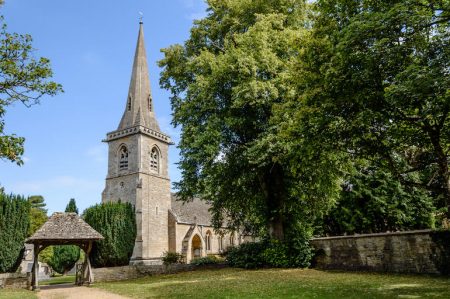
]]>This works because almost two-thirds of Anglican churches can be found in rural settings near or in small communities that currently are underserved by telecommunication service providers. For the British who have largely abandoned attending churches it gives new meaning and purpose to these building sites. Stated Matt Hancock, Department of Digital Culture Secretary, it means “that even a 15th-century building can help make Britain fit for the future.”
What it means for small communities and rural farms is:
Stated the Reverend Stephen Cottrell, Bishop of Chelmsford, “rural churches…have always served as a hub for their communities. Encouraging churches to improve connectivity will help tackle two of the biggest issues rural areas face – isolation and sustainability.”
It’s good to know that institutions of faith can contribute to the spread of knowledge based on reason and scientific facts. It will be interesting to see how the Church of England, and other religious institutions suffering similar declines in attendance, can benefit beyond the financial issues from making their buildings places where they serve a new type of connectivity rather than the old one of weekly services.