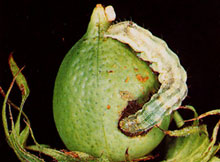
When Bt crystal proteins were implanted into corn and cotton, these altered plants retained the toxicity of the crystal proteins throughout the growing cycle and bollworms that tried to eat the cotton died. Compared to non-Bt crops today’s farmers of the latter have to apply insecticide as much as 15 times each growing season. But those planting Bt Cotton find themselves using 60% less pesticide in their fields. This allows spiders, ladybugs, lacewings and other beneficial insect predators to be unaffected. Ladybugs and lacewings are particularly valued because they eat the cotton aphid. So by incorporating GMO crops farmers use fewer chemicals and do less collateral damage to the environment.
Another interesting aspect of the Bt story relates to the type of agriculture practiced in China. Unlike North America, Chinese farm holdings are small and farmers plant conventional crops right next to fields growing Bt Cotton. This has given bollworms a refuge from exposure to Bt allowing them to continue the gene pool so that a Bt resistant strain of the insect has not yet evolved. This practice provides an interesting balancing act that we don’t see here in North American farms which are much larger and tend to plant a single crop.