The good news from WHO is that the percentage of people dying from TB has declined by 43% since 2000m and that funding for prevention, diagnosis, and treatment has increased by more than double since 2006. Funding has reached $6.9 billion this year but is still considered not enough to help fight the disease according to the WHO.
Of the 10 million reported cases, 5.8 million of the infected are men, 3.2 million women, and 1.0 million children. No countries were exempt but two-thirds of the cases could be found in eight countries:
Only 3% of all reported cases were in Europe, and 3% in North America.
One of the growing problems related to TB is the emergence of a drug-resistant strain in 558,000 worldwide that don’t respond to rifampicin, the most effective treatment to date. And 82% of those not responding to drug treatment are multi-drug resistant. The countries most affected by drug-resistant strains of TB are India, China, and Russia.
Based on the distribution of TB it remains a disease of the poor. So money should overcome it. But the funding gap for diagnosis and treatment remains. Money is needed to support research into finding new drugs, purchasing and distribution of diagnostic equipment to countries most affected, and development of more effective vaccine preventatives.
In 2017 there were very few new diagnostic technologies for detecting early onset TB which is considered the best strategy for combating and eventually eliminating the disease. The same year the WHO reported 20 new drugs and 12 vaccine candidates undergoing clinical trials. A universally effective set of vaccines and a distribution and delivery network to the world’s most affected countries would put us on a path to eliminate TB, but that requires the Developed World’s capital to make this a reality. So far, not too many Western countries are bellying up to the bar with the cash and resources needed.
Big pharma, for the most part, sees little financial return in researching and developing treatment and cures for TB because the disease is found mostly in poor countries that cannot pay enough per dose to warrant the investment. Which means the not-for-profit represents the world’s best hope for finding treatment and preventatives.
Enter The Bill and Melinda Gates Foundation which is co-funding multiple drug trials through the auspices of the TB Drug Accelerator Program (TBDA). Treatment of all forms of TB including the drug-resistant versions aimed at achieving a universal drug regimen.

]]>
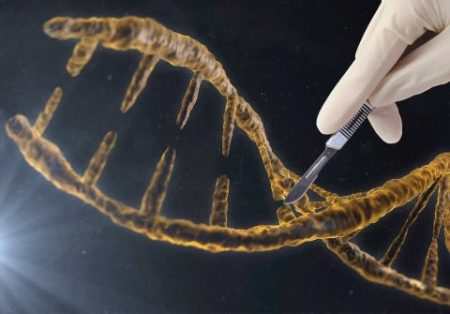
The project is based at Imperial College in London. The technology, called gene drive, uses tools such as CRISPR/Cas9 to alter genetic instructions in a species to produce traits not beneficial to its survival. In the case of mosquitoes the goal is to create a population incapable of reproduction either through making females sterile, or having them only produce male offspring. Gene drive technology could also create mosquitoes incapable of transmitting malaria and other diseases.
The controversy surrounding gene drive technology goes back to a fear of genetically engineering any life form, even mosquitoes. GMOs or genetically modified organisms have raised the ire of campaigners who consider altering genetic information by inserting new genes into a species DNA as dangerous. In some cases I’m sure the resistance to GMO is about humans playing God but doesn’t consider that we have been altering the genetics of plants and animals since the start of the Agricultural Revolution almost 12,000 years ago.
Gene drive technology isn’t just about saving human lives. There are many more species at risk where the technology can turn back disease and unwanted intrusions by exotic species almost all introduced by humans to isolated communities on islands. For example in Hawaii where human-introduced mice and rats have endangered unique-to-the-archipelago, birds and lizards, Hawaiian researchers are looking at gene drive technology to create only male offspring mice and rats. They are also looking at using gene drive to eliminate mosquitoes, also not native to Hawaii, which have been responsible for spreading avian malaria to native bird species.
The use of gene drive technology remains an issue for we as a species who have yet to determine rules of governance through legislation and policy. Of particular importance is its use on our own species. What if we used gene drive to alter us? This is the stuff of Star Trek’s television episode called “Space Seed” and the subsequent movie “The Wrath of Khan.” In this case we would not be attempting to eliminate an entire species but rather enhance it. But in doing this we would unleash consequences, both good and bad. At its best gene drive could tackle the mosquito, the most dangerous animal on our planet. But at its worst we could open a Pandora’s Box.
When Monsanto, Bayer, Dupont and others created the first genetically modified crops, the goal was to increase agricultural yields and earn a profit for the respective companies and the farmers planting their seeds. But now with gene drive we are moving into a whole new realm of genetic modification. So how do we regulate it? Today nations and sub-jurisdictions sway back and forth between approving GMOs or banning them. Fear and a lack of scientific understanding have accompanied debates in legislatures around the globe. But now it appears to be the right time to bring together scientists and ethicists to create guidance for the regulation of the technology.
One rule will not fit all. Whereas gene drive to wipe out a disease spreading mosquito can be regulated by specific controls on pilot programs, limited releases, follow up studies and more, gene drive regulation applied to many other species may be more rigorous or relaxed depending on the circumstances. What shouldn’t happen is an overall ban. This technology is an instrument for good when the Bill and Melinda Gates Foundation fund specific research to fight mosquitoes responsible for millions of human deaths annually.
Genetically modified (GM) crops, however, are very different than those created through selective breeding. In GM a foreign gene enhancement is spliced into the DNA of a plant and then bred to create a new species. Multi-billion dollar companies like Monsanto see GM as a universal answer to solving world hunger. But GM resistance has arisen in many countries because GM crops can have unintended consequences such as:
Selective breeding comes with none of these inherent concerns. Conventional breeding is not subject to controversy. And selective breeding has the same capacity as GM crops to address world hunger. As a result there is an increasing interest in many countries in developing better selective breeding techniques to develop new crop varieties.
One initiative goes by the name of HarvestPlus.Funded by the World Bank and a grant from the Bill and Melinda Gates Foundation, HarvestPlus focuses on developing new plant varieties to address the lack of micro nutrients in staple foods for the billions of people in the Developing World. Staple foods consist of beans, corn, rice, cassava, millet and sweet potato. Through selective breeding techniques the goal is to develop plants that incorporate the micro nutrients that address malnutrition and associated diseases that arise from poor health. Called biofortification, the process involves crossing hundreds of varieties of staple crops to create desirable traits in their offspring. HarvestPlus focuses on three micro nutrients recognized by the World Health Organization (WHO) as critical to diets. These are iron, zinc, and Vitamin A.

HarvestPlus recent successes include:
By 2020 the sweet potato project will impact 10 million people in 17 African countries. Other bio-fortified crops include zinc-enhanced rice and Vitamin A-enriched corn (maize).
AgroSalud, likes its counterpart, HarvestPlus, focuses on bio-fortified selective breeding for staple crops indigenous to Central and South America to address the same challenges. Between the two organizations, they are demonstrating that what Mendel discovered can be an effective tool for addressing the food production challenges humanity faces with population growth largely a phenomenon of the Developing World.
]]>